Introduction
Daylight Savings Time (DST) has been a topic of debate and discussion for over a century. Instituted to make better use of daylight during the longer days of summer, DST has significant implications for energy usage, health, and daily life. As many regions around the world adjust their clocks, understanding the rationale and impact of DST becomes increasingly essential in today’s fast-paced society.
The Origins of Daylight Savings Time
Daylight Savings Time was first proposed by Benjamin Franklin in 1784, who suggested that adjusting clocks would save energy by making better use of natural daylight. However, it wasn’t until World War I, in 1916, that Germany became the first country to implement DST as a way to conserve fuel. Several countries, including the United States, followed suit shortly afterwards. The U.S. formally adopted DST in 1918 but has since passed various laws regarding its observance and duration.
Current Observance and Issues Surrounding DST
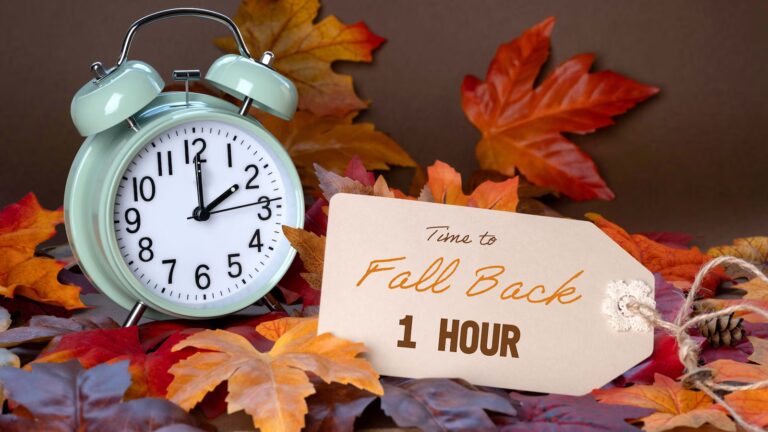
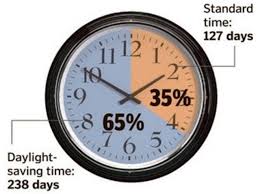
In the United States, DST begins on the second Sunday in March and ends on the first Sunday in November. While the main objective is to reduce energy consumption, studies show mixed results regarding its effectiveness. Some reports suggest that the energy savings are minimal—around 1%—while others highlight the adverse effects on human health due to disrupted sleep patterns during the transitions.
Moreover, the implementation of DST can lead to challenges, including confusion regarding timekeeping, travel schedules, and technology compatibility. Recent legislation in various states has aimed to abolish the twice-a-year clock changes, calling for a more permanent adoption of standard time or a year-round DST. In March 2022, the U.S. Senate passed a bill called the Sunshine Protection Act, yet it has yet to be passed by the House of Representatives as of late 2023.
Conclusion: The Future of Daylight Savings Time
As the debate surrounding Daylight Savings Time continues, it is essential for citizens to weigh the pros and cons. In a world increasingly looking toward energy efficiency and public health, the traditional method of springing forward and falling back may become obsolete. Advocates for eliminating DST argue for a more consistent time, while those in favor highlight the potential benefits of extended daylight hours in the evenings.
Whether or not DST remains a fixture of American life, understanding its history and current relevance helps citizens navigate the implications of this biannual clock change. The future of Daylight Savings Time may change soon, and staying informed is crucial for everyone.