Introduction to Daylight Savings Time
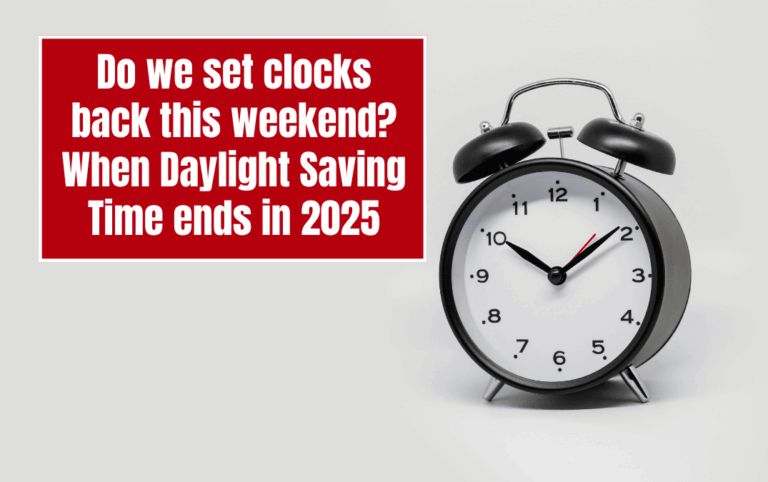
Daylight Savings Time (DST) is a practice of setting the clock forward by one hour during warmer months, typically in spring, to extend evening daylight. This biannual clock adjustment affects millions of people in various countries and has been a subject of debate since its inception. Understanding the relevance of DST is essential as it influences energy consumption, health, safety, and lifestyle.
History and Implementation
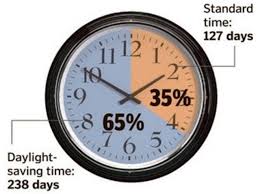
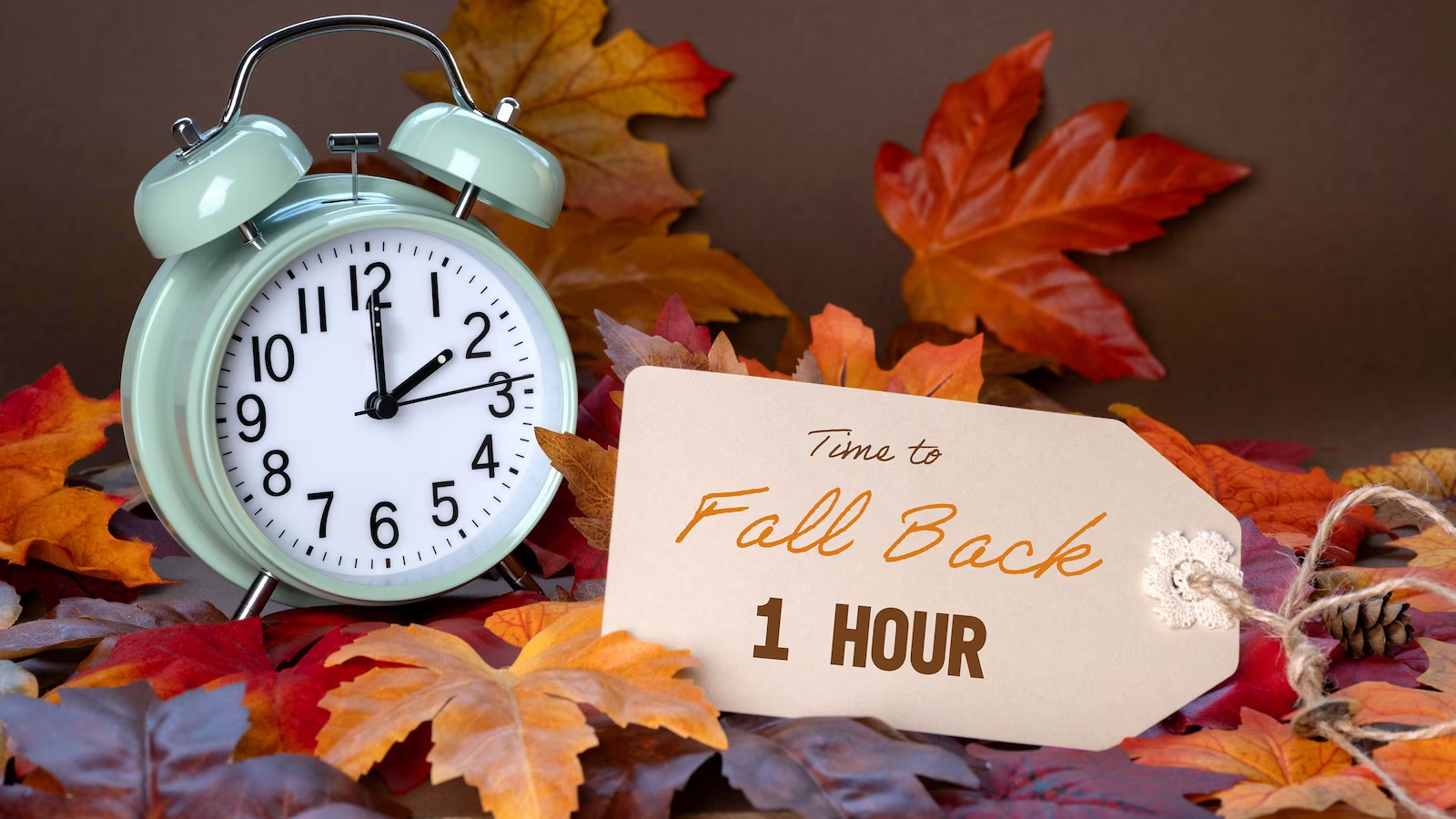
The concept of DST was first implemented during World War I as a means to conserve energy. Germany was the first country to use it, followed by the United States in 1918. Today, DST is observed in numerous countries, although the start and end dates vary. In the U.S., it starts on the second Sunday in March and ends on the first Sunday in November. Despite its long history, many states and nations are reassessing the necessity of these clock changes, with a few considering permanent adoption of standard time.
Impact on Daily Life
Observers of DST often report mixed feelings about the changes. Proponents argue that it leads to reduced energy consumption and encourages outdoor leisure activities in the evening, which can benefit local economies and promote healthier lifestyles. However, critics point out that the disruption of sleep patterns may have negative health impacts, including increased risks of heart attacks, strokes, and workplace accidents shortly after the clock changes.
Current Debate and Future of DST
Recent studies and surveys indicate that public support for ending DST altogether is growing. In March 2022, the U.S. Senate passed a bill to make daylight savings time permanent; however, it has not yet cleared the House of Representatives. If enacted, this change could eliminate the biannual clock adjustments, offering a more consistent time structure year-round.
Conclusion
Daylight Savings Time remains a relevant issue for many today, affecting energy policies, health outcomes, and economic activities. As discussions continue about its efficacy and impacts, it is worth noting how these adjustments can influence individual and societal well-being. Looking ahead, whether DST will remain in our clocks or fade into history will depend on ongoing public discourse and legislative decisions, making it a topic to watch closely.