Introduction
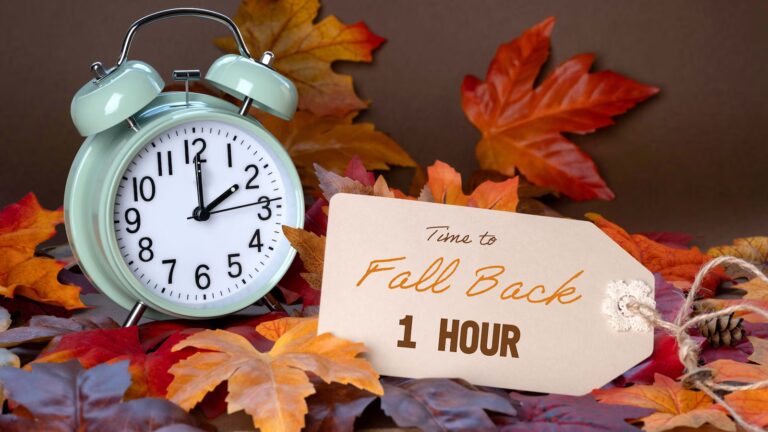
As the fall season approaches, one significant event on the calendar is the ending of daylight savings time (DST). This biannual time change has implications not just for our clocks, but also for our daily routines, safety on the roads, and overall well-being. Notably, this year, DST ends on November 5, 2023, at 2:00 AM local time, marking the moment when clocks will roll back by one hour. Understanding this transition is especially vital as it can affect sleep schedules and various aspects of life for millions across the United States.
What Happens When Daylight Savings Time Ends?
When daylight savings time ends, Americans across the nation set their clocks back an hour, a change that initially brings about an extra hour of sleep. However, it can also disrupt sleep patterns in the days following the transition as our bodies adjust to the shift. Health experts indicate that the abrupt change can affect circadian rhythms, potentially leading to increased fatigue and decreased productivity.
Applications and Considerations
Moreover, the end of DST can have wider repercussions, especially in areas like transportation and safety. A decline in visibility during early evening hours can increase the number of traffic accidents, especially among pedestrians. According to studies, the weeks following the end of DST often see a rise in accidents as drivers and pedestrians acclimatize to the changing light conditions.
Public Opinion and Future of the Change
Public opinion about daylight savings time remains divided. Some advocate for abolishing the time change altogether, arguing that it serves no real benefit and only complicates people’s lives. In recent years, several states have proposed legislation to remain on standard time year-round, arguing that this could potentially enhance mental health and decrease the high number of accidents commonly associated with the transition periods.
Conclusion
The end of daylight savings time is upon us once again. It’s an opportunity to reset our routines, though it comes with challenges that can affect health and safety. As the clock rolls back an hour, individuals and families should consider taking some steps to ease the transition. Adapting gradually to the new schedule, maintaining a consistent sleep routine, and raising awareness about road safety can help mitigate the potential adverse effects. As society continues to evaluate the efficacy of daylight savings time, the discussion may lead to future changes, but for now, Americans will need to adjust to the impending clock change.