The Significance of Daylight Savings Time
Daylight Savings Time (DST) is a practice that affects millions of people each year, with clocks shifting forward in spring and back in autumn. It aims to make better use of daylight and has been linked to energy conservation, although its actual benefits are often debated. As we approach 2025, understanding the changes and implications surrounding DST becomes increasingly important for planning schedules and activities.
Daylight Savings Schedule in 2025
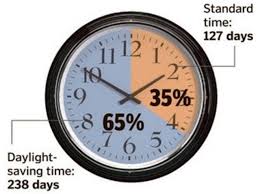
In the United States, Daylight Savings Time begins at 2:00 AM on Sunday, March 9, 2025, when clocks will move forward one hour. This marks the onset of longer days as spring approaches. On Sunday, November 2, 2025, at 2:00 AM, clocks will revert to standard time, providing an extra hour as winter sets in. This biannual time change affects various sectors, including transportation, healthcare, and communications.
Controversies and Legislative Changes
In recent years, the practice of shifting clocks has faced scrutiny, with several states proposing legislation to either abolish Daylight Savings Time or make it permanent. Lawmakers cite concerns related to public health, safety, and potential energy savings as key reasons for these changes. The U.S. Congress has also considered proposals, such as the Sunshine Protection Act, which aims to eliminate the time change altogether. As discussions continue, the landscape of Daylight Savings Time may undergo significant transformations before 2025 arrives.
Implications for 2025
The potential changes to Daylight Savings Time could have wide-reaching implications for individuals, businesses, and communities. If Congress passes a bill to make DST permanent, it would alter how millions of Americans adapt to seasonal changes and daylight hours. It could impact everything from retail and recreation to agricultural practices and energy consumption patterns. Experts advise individuals and businesses to stay informed about these developments as 2025 approaches, preparing for any adjustments that may arise.
Conclusion
As Daylight Savings Time approaches in 2025, it is crucial for residents to stay informed about this evolving topic. The ongoing debates about the future of DST may lead to significant changes in how we perceive and adjust to time. Understanding the implications and potential legislative actions surrounding Daylight Savings will help individuals and businesses make educated decisions moving forward.