Duke Energy Florida’s $90.5 million refund is set to benefit over 2 million customers this summer, resulting from an over-collection of funds associated with hurricane restoration costs during the tumultuous 2024 hurricane season.
The Florida Public Service Commission authorized this refund after determining that Duke Energy had collected excessive amounts for storm-related expenses. Specifically, documents show that while Duke Energy collected more than $1 billion in restoration costs, actual expenses amounted to approximately $915.3 million.
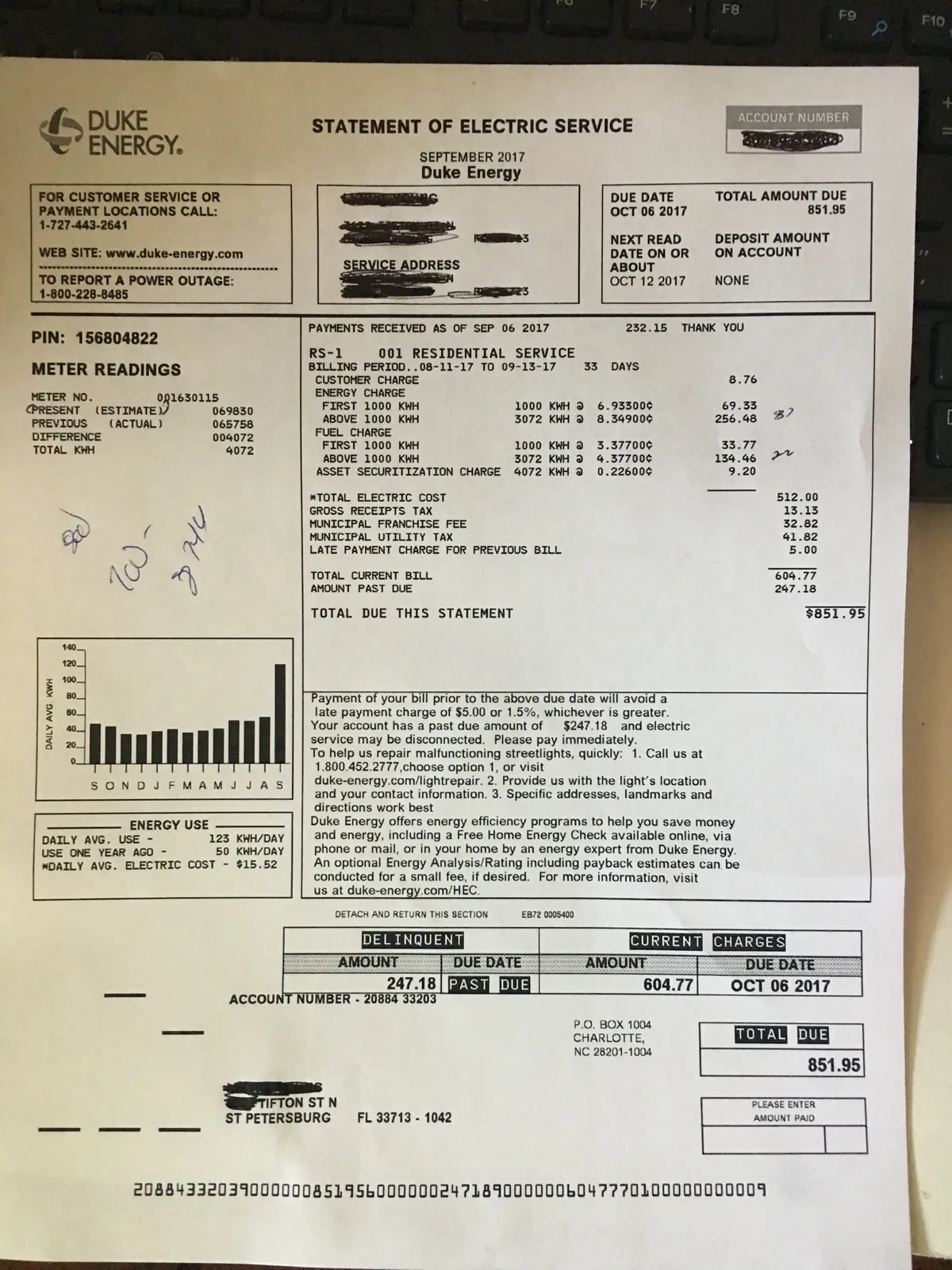
This refund will manifest as a reduction in the fuel charge on customer bills from June through September, with the charge decreasing from 4.414 cents per kilowatt-hour to 3.852 cents per kilowatt-hour—a reduction of 0.562 cents per kilowatt-hour.
Duke Energy Florida serves more than 2 million customers across 35 counties in the state, making this financial relief significant for many households facing rising energy costs.
The storm charge that facilitated this over-collection was initially set to continue until February 2026 but will now conclude a month earlier, in January 2026, according to sources familiar with the situation.
To ensure that all eligible customers receive their refunds seamlessly, officials have indicated that there is no need for individuals to sign up; the adjustments will automatically reflect on their accounts.
In light of these developments, some customers expressed gratitude for the unexpected relief during a typically costly summer season, which often sees increased energy consumption due to air conditioning needs.
Moreover, the Commission emphasized that this action aims to provide energy bill savings and enhance transparency regarding charges imposed on consumers. They noted that returning over-collected funds is crucial for maintaining trust between utility providers and their customers.
The payout will continue through September, allowing customers time to adjust their budgets accordingly. Duke Energy has not disclosed any future plans regarding how they will manage potential over-collections moving forward.