Introduction
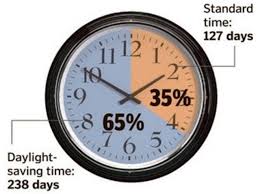
Daylight Savings Time (DST) is a practice many countries adopt to make better use of daylight during the longer days of summer by shifting the clocks forward in the spring and back in the fall. This practice has been a topic of much debate regarding its impact on various aspects of daily life, including health, safety, and economy. As we approach the upcoming time change period, understanding DST’s implications becomes increasingly relevant.
History and Purpose
Initially proposed by Benjamin Franklin in 1784, the concept was adopted by various countries much later, particularly during World War I and II to conserve energy. The main purpose of DST is to extend evening daylight, which can decrease the reliance on artificial lighting, potentially reducing energy consumption. Currently, over 70 countries implement this practice, particularly in Europe and North America.
Current Events and Discussions
In recent years, there has been growing discussion around the use of Daylight Savings Time. In March 2023, the U.S. Senate passed legislation to make DST permanent year-round, sparking hope for a reduction in the negative effects associated with time changes, such as disruptions in sleep patterns and increased incidents of heart attacks and accidents during the transition period.
Despite the Senate’s approval, the legislation requires House of Representatives endorsement and Biden’s signature to become law. Advocates point out that eliminating the biannual clock reset could enhance public health and safety. However, opinions are divided, as some argue that standard time may be more beneficial for morning-oriented activities, especially for school children.
Impact on Daily Life
The clock change can lead to a variety of effects on daily life. Studies suggest that the transition into DST leads to an increase in sleep disruption, which can adversely affect both physical and mental health. For instance, the Monday after the clock shift has been linked to an increase in workplace accidents and road incidents, illustrating a more general trend of increased risk during these periods.
Conclusion
As conversations about the future of Daylight Savings Time continue to evolve, its implications for society remain significant. Proponents argue for its potential benefits, while opponents highlight the risks associated with time changes. Readers should stay informed about how these developments may affect their routines and legislations that could reshape the future of timekeeping in their communities. Understanding both the advantages and disadvantages associated with Daylight Savings Time is essential as societies adapt to changing circumstances.