Introduction
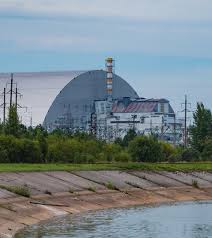
The Chernobyl disaster, which occurred on April 26, 1986, remains one of the most significant nuclear accidents in history. The explosion at Reactor No. 4 of the Chernobyl Nuclear Power Plant in Ukraine released substantial amounts of radioactive particles into the atmosphere, affecting not only the surrounding region but also other parts of Europe. This event has profound implications for nuclear energy policy, environmental safety, and health concerns that continue to resonate today.
Details of the Disaster
The incident was a result of a flawed reactor design coupled with serious mistakes made by the plant operators during a safety test. The explosion released an estimated 400 times more radioactive material than the atomic bomb dropped on Hiroshima, leading to an immediate evacuation of over 100,000 residents from the nearby town of Pripyat and surrounding areas. In the following weeks and months, thousands of emergency responders worked tirelessly to contain the disaster, often at great risk to their own health.
The immediate aftermath of the explosion saw a spike in acute radiation sickness among plant workers and responders, with over 30 people dying within a few months. Long-term health effects include a reported increase in thyroid cancer among those exposed, particularly children and adolescents. The Exclusion Zone, established around the plant, remains largely uninhabited due to continued radiation concerns, creating a stark reminder of the accident’s ultimate toll.
Current Relevance and Lessons Learned
As of 2023, Chernobyl continues to serve as a case study in nuclear safety and disaster response. The accident prompted global changes in nuclear regulatory frameworks, leading to stricter safety protocols and operational guidelines designed to prevent similar disasters. Countries around the world are more cautious in their approach to nuclear power, reassessing the risks versus the benefits of this energy source.
Additionally, Chernobyl has gained relevance in discussions surrounding environmental recovery and management of contaminated sites. The region has seen nature reclaim many areas, resulting in interesting ecological studies, yet the risks of radiation are still taken seriously, as evidenced by occasional tours of the Exclusion Zone and ongoing research into the area’s ecological health.
Conclusion
The legacy of the Chernobyl disaster is multifaceted. While it serves as a poignant reminder of the dangers associated with nuclear energy, it also highlights the need for robust safety measures and emergency preparedness. As nations evolve their energy strategies, the lessons learned from Chernobyl can help shape a safer, more sustainable future, ensuring that history does not repeat itself. For readers, understanding this disaster is crucial, not only to honor those affected but also to contribute to ongoing discussions about energy practices in the modern world.