Introduction
Garry Kasparov, widely considered one of the greatest chess players of all time, has not only defined the world of chess through his remarkable victories but has also made significant contributions to politics and technology. His influence extends beyond the chessboard as he becomes a prominent voice in advocating for democracy and freedom, particularly in Russia. Understanding Kasparov’s journey is crucial to appreciating the evolution of chess and the intertwining of sports with society.
A Remarkable Chess Career
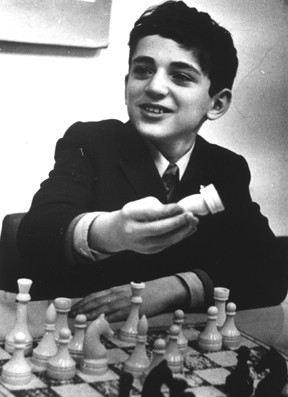
Born on April 13, 1963, in Baku, Azerbaijan, Kasparov became a chess prodigy at a young age. By 1985, at the age of 22, he defeated the reigning world champion Anatoly Karpov in a historic match, becoming the youngest world champion in chess history. Kasparov’s dominance over the chess world lasted until his retirement in 2005, during which he held the title of world champion for 15 years and achieved a peak rating of 2851, a record that stood for more than a decade.
The Man Behind the Moves
Post-retirement, Kasparov’s ventures have taken him into various fields, including writing, politics, and advocacy for human rights. He is known for his critical views on the Russian government and has actively campaigned against Vladimir Putin’s regime. His efforts include founding the United Civil Front, a movement aimed at promoting civic engagement and democracy in Russia.
Contributions to Technology
In addition to his political pursuits, Kasparov has been an influential figure in the world of artificial intelligence. In the late 1990s, he famously competed against IBM’s Deep Blue, a milestone event in AI history. Although he lost the match, the encounter sparked widespread interest in the capabilities of AI, leading Kasparov to become an advisor and commentator on the intersection of technology and society.
Conclusion
Garry Kasparov remains an exceptional figure whose influence transcends the game of chess. His contributions to the sport, political activism, and technology have left a profound mark on multiple domains. As he continues to advocate for democracy and engage with technological advancements, Kasparov’s legacy increasingly resonates with those who not only love chess but also value the freedoms and rights that underpin societies. As the world continues to face challenges on various fronts, Kasparov’s voice and vision will undoubtedly play a key role in shaping the future.