Introduction
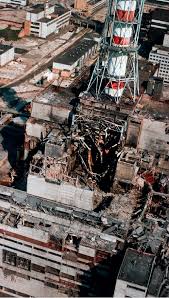
The Chernobyl disaster, which occurred in 1986, remains one of the most catastrophic nuclear accidents in history. Located in modern-day Ukraine, the explosion at the Chernobyl Nuclear Power Plant released a significant amount of radioactive material into the environment, leading to widespread contamination. This incident is not only a pivotal moment in the history of nuclear energy but also continues to play a crucial role in discussions about nuclear safety, environmental science, and health impacts on populations exposed to radiation.
The Events of Chernobyl
On April 26, 1986, during a late-night safety test that simulated a power outage, reactor number four at the Chernobyl plant experienced a sudden power surge. This led to a series of explosions and the subsequent release of a vast quantity of radioactive particles into the atmosphere. The initial explosion killed two plant workers, and 29 firefighters and plant staff succumbed to acute radiation sickness in the days that followed. In the immediate aftermath, the Soviet government initially downplayed the severity of the disaster, leading to delays in evacuation and containment efforts.
Impact on Environment and Public Health
The consequences of the Chernobyl disaster were far-reaching. Approximately 350,000 people were evacuated from contaminated areas, and large portions of Belarus, Ukraine, and Russia were affected. A 2006 report from the Chernobyl Forum estimated that hundreds more cases of cancer and other life-threatening conditions will occur due to exposure to radiation. Additionally, the region surrounding the plant—termed the Chernobyl Exclusion Zone—has evolved into a unique environment for wildlife, with certain species thriving in the absence of human activity.
Ongoing Relevance
As of late 2023, the Chernobyl site remains a focal point of study for nuclear safety protocols and disaster response. The ongoing assessment of its impact reflects significant lessons learned that have shaped policies globally, influencing the nuclear industry’s approach to risk management. Moreover, as nations around the world consider their energy futures in light of climate change, Chernobyl serves as a reminder of the potential dangers associated with nuclear power and the importance of stringent safety measures.
Conclusion
In conclusion, the legacy of the Chernobyl disaster continues to resonate decades later, offering crucial insights into nuclear safety, health, and environmental science. Future developments in nuclear technology and energy policy must take these lessons into account to prevent such a tragedy from occurring again. The incident underscores the need for vigilance in nuclear operations and the importance of preparedness in managing and mitigating the consequences of nuclear crises.