Introduction
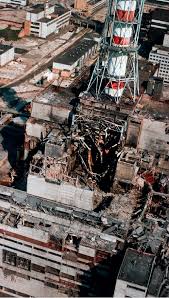
The Chernobyl disaster, which occurred on April 26, 1986, remains one of the most catastrophic nuclear incidents in history. Its effects have reverberated through time, continuing to shape our understanding of nuclear safety and environmental impact. As we witness the increasing importance of energy debates and the advent of new nuclear technologies, revisiting Chernobyl’s significance is crucial.
Details of the Disaster
Located in Ukraine, the Chernobyl Nuclear Power Plant experienced a reactor explosion that released large quantities of radioactive particles into the atmosphere. The incident resulted in the immediate evacuation of over 100,000 people and left a 30-kilometer exclusion zone around the site. According to the World Health Organization, around 5,000 additional cases of thyroid cancer have been identified among children who were exposed to the fallout. The total cost of the disaster, including containment, health care, and relocation, is estimated to be over $235 billion.
Environmental and Health Impact
The environmental ramifications of the disaster are profound. The contaminated area, known as the Chernobyl Exclusion Zone, remains largely uninhabitable and is monitored closely. Some studies indicate that wildlife has begun to repopulate the area, indicating an unexpected resilience of nature. Health researchers continue to study the long-term effects of radiation exposure on both the local population and emergency responders who dealt with the crisis.
Relevance Today
In recent years, Chernobyl has regained attention due to the increasing interest in nuclear energy as a critical component in combating climate change. Emerging technologies aim to utilize nuclear power safely and efficiently. However, the Chernobyl disaster serves as a stark reminder of the potential consequences of nuclear energy mishandling. Moreover, the event has led to stricter regulations and safety protocols worldwide designed to prevent similar catastrophes.
Conclusion
The Chernobyl disaster remains a poignant chapter in the history of nuclear power and environmental management. As discussions around energy production and climate sustainability continue, the lessons learned from Chernobyl are more important than ever. By understanding this tragic event, society can better navigate the complexities of modern energy needs while ensuring safety and environmental protection for future generations.