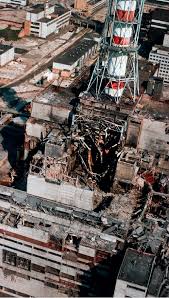
Introduction to the Chernobyl Disaster
The Chernobyl disaster, which occurred on April 26, 1986, remains one of the most significant nuclear accidents in history. Its importance lies not only in the immediate human and environmental impact but also in the ongoing discussions about nuclear safety, health consequences, and the lessons learned over the decades. With renewed interest owing to recent media representations and continuing scientific research, understanding Chernobyl is crucial for current and future energy policies.
The Incident and Its Immediate Aftermath
The Chernobyl disaster took place at the Chernobyl Nuclear Power Plant, located near Pripyat in the then-Soviet Union (now Ukraine). During a late-night safety test, a sudden power surge led to explosions and the subsequent release of radioactive material into the atmosphere. The event exposed large swaths of Europe to dangerous levels of radiation and required the evacuation of over 116,000 residents from the surrounding areas, notably the town of Pripyat, which remains frozen in time.
The Soviet response was initially characterized by secrecy. Firefighters and plant staff worked heroically to contain the blaze, many of whom were later afflicted by acute radiation syndrome. The official death toll has been disputed, with estimates ranging from 31 immediate deaths to thousands when factoring in long-term health issues.
Long-term Effects and Ongoing Research
Today, the Chernobyl Exclusion Zone remains largely uninhabited, covering about 1,600 square kilometers around the plant. Wildlife has surprisingly thrived in the absence of human interference, leading to studies on the resilience of nature. However, the area’s radiation levels continue to pose health risks, prompting ongoing research into the genetics and epidemiology of the population affected by the disaster.
Global awareness and response to nuclear safety have also evolved due to Chernobyl. The International Atomic Energy Agency (IAEA) and various countries now focus on stricter regulations and safety protocols in nuclear facilities. This event galvanized public opinion against nuclear energy in many regions while also highlighting the need for sustainable energy sources and disaster preparedness.
Conclusion: The Significance of Chernobyl Today
The Chernobyl disaster serves as a crucial reminder of the potential risks associated with nuclear power. It has left an indelible mark on policy-making, public perception, and environmental health initiatives globally. As the world continues to explore nuclear energy in the context of climate change, the lessons learned from Chernobyl emphasize the importance of safety, transparency, and respect for the environment in all energy endeavors. Future generations must learn from this tragedy to prevent such catastrophes from recurring.