Introduction
Power outages in Texas have become a pressing issue, especially in the wake of extreme weather events and increased energy demand. With the state’s vast size and diverse climate, the reliability of the power grid is crucial for residents and businesses. Recent outages have sparked concern about the infrastructure’s ability to handle both routine demands and unforeseen crises.
Recent Events and Impact
As of October 2023, residents across Texas have experienced several significant power outages, notably during a recent heatwave that pushed the electrical grid to its limits. The Electric Reliability Council of Texas (ERCOT), which manages the state’s power grid, reported that demand reached all-time highs, resulting in rolling blackouts across various regions including Houston, Dallas, and San Antonio.
In particular, the outages during the summer months highlighted vulnerabilities in Texas’s electricity system, which has been criticized for being underprepared for extreme weather fluctuations. Many residents were left without air conditioning during peak heat hours, raising concerns about public safety and health risks.
Causes of Power Outages
Several factors contribute to power outages in Texas. First, the state’s reliance on a mix of energy sources—including natural gas, wind, and solar—creates challenges when one or more sources fail to meet demand. In addition, severe weather conditions such as storms, which have become more unpredictable due to climate change, can damage power lines and disrupt service.
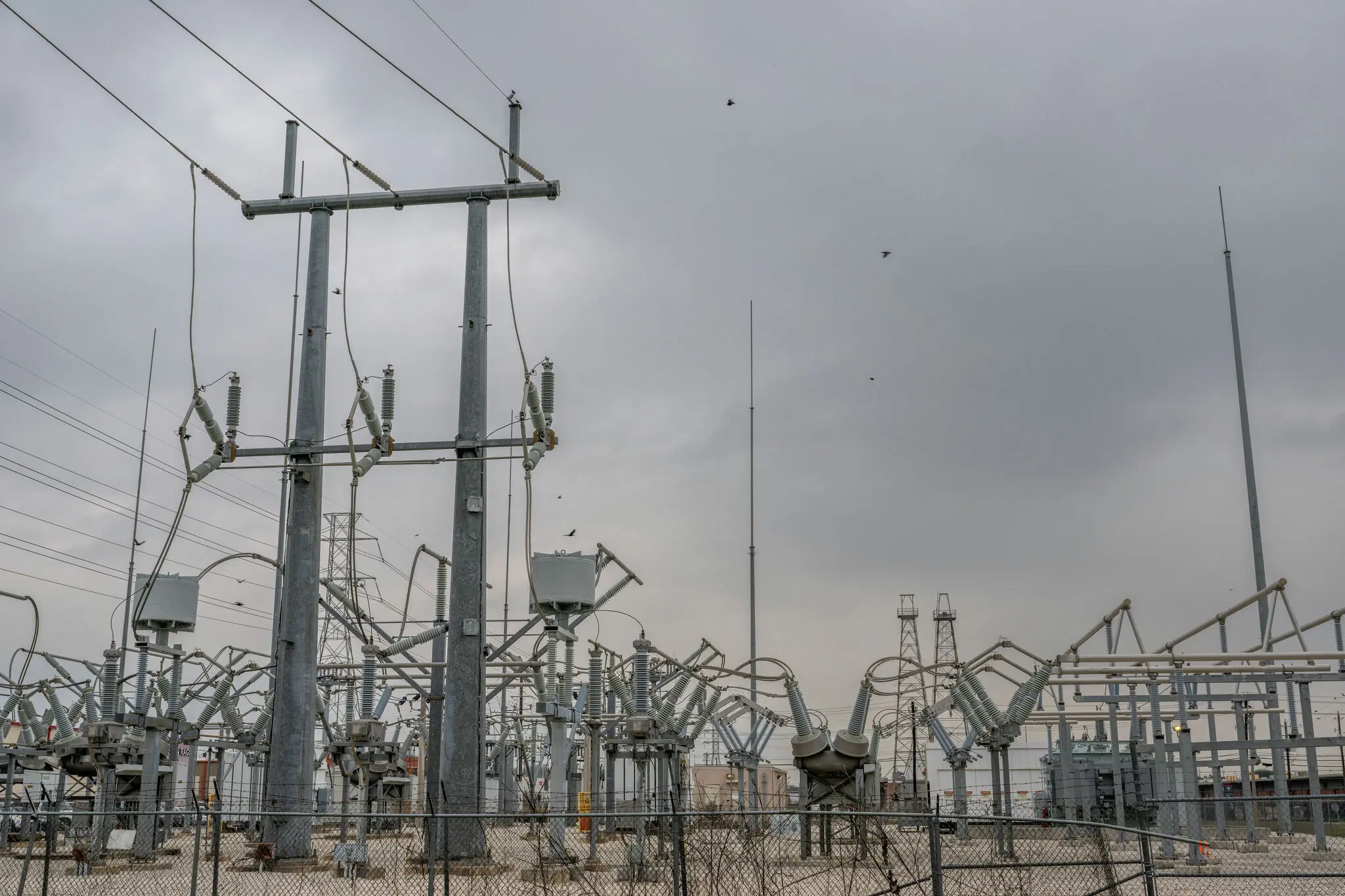
The infrastructure itself has been scrutinized, with many calling for upgrades and maintenance to ensure reliability. After the historic winter storm in February 2021, which left millions without power for days, the state legislature mandated improvements, yet progress has been slow.
Efforts to Address Power Outages
To combat these ongoing issues, state officials are exploring various solutions, including investments in renewable energy, strengthening the grid, and incentivizing energy conservation during peak times. ERCOT is also working towards better communication with the public regarding energy conservation measures and potential outages.
Furthermore, some municipalities are developing localized energy solutions, such as community solar projects and battery storage systems, which aim to enhance resilience against outages. Public awareness campaigns are also being launched to encourage residents to prepare for potential outages, ensuring they have plans in place ahead of time.
Conclusion
As Texas continues to face challenges related to power outages, it remains crucial for both residents and officials to work together towards a more resilient energy future. By addressing infrastructure issues, investing in renewable energy, and adapting to changing climate conditions, Texas can strive to maintain reliable power for its growing population. The steps taken today will not only mitigate future outages but will also help secure an efficient and sustainable energy grid for years to come.