Introduction to Silver Alerts
Silver Alerts are essential public notification systems designed to help locate missing seniors, particularly those suffering from cognitive impairments such as Alzheimer’s disease or dementia. Given the growing number of elderly individuals in the U.S., the implementation and effectiveness of Silver Alerts have become increasingly relevant in ensuring the safety and well-being of this vulnerable population.
The Mechanism of Silver Alerts
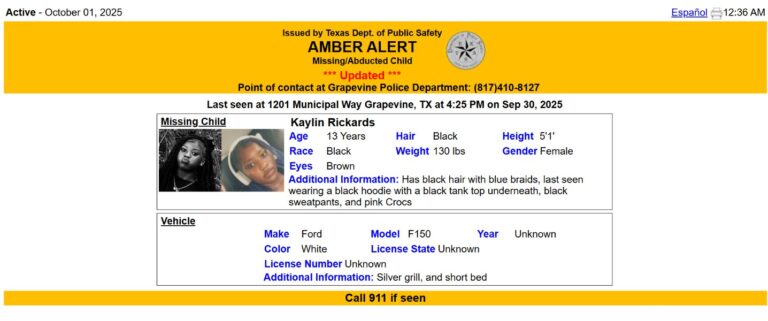
Silver Alerts function similarly to Amber Alerts for missing children. Once a senior adult has been reported missing, law enforcement or local agencies issue a notification, which is then broadcast across various platforms, including television, radio, social media, and highway signs. The aim is to engage the community in the search, providing descriptions of the individual and the circumstances surrounding their disappearance.
Recent Developments
According to recent reports, the number of states implementing Silver Alert systems has grown significantly over the past few years. As of October 2023, more than 30 states have established these programs, with over 2,000 alerts being issued in the last year alone. For example, Florida has seen a notable rise in the efficacy of their Silver Alert program, greatly enhancing community involvement and reducing the time taken to locate missing individuals. Additionally, technology has played a crucial role in improving the response rate; many states have begun integrating mobile apps and online portals that allow citizens to receive real-time notifications and updates regarding missing seniors.
Challenges and Considerations
Despite their effectiveness, Silver Alerts face challenges such as public awareness and the timely issuance of alerts. Many individuals remain unaware of the Silver Alert system, limiting community response efforts. Furthermore, there is a pressing need for jurisdictions to regularly update their training and procedures to ensure prompt and accurate alerts. Advocates also emphasize the necessity for a more standardized approach across states to enhance the program’s overall efficiency.
Conclusion and Future Outlook
As the population of seniors continues to grow, the importance of Silver Alerts and community engagement in finding missing individuals will only increase. Future forecasts suggest a further strengthening of these systems, including improved technology integration and greater public awareness efforts. For families, the promise of a more efficient and responsive network can provide peace of mind, ultimately leading to safer communities for all seniors. By continuing to refine the Silver Alert systems, we not only protect our elderly but also foster a culture of care and vigilance.