Introduction
Understanding the differences between sleet and snow is crucial for predicting weather conditions and preparing for winter storms. Both forms of precipitation can impact travel, safety, and daily life, yet they originate from different atmospheric processes. As climate patterns continue to change, recognizing the characteristics of sleet and snow becomes increasingly important for both meteorologists and the general public.
What is Sleet?
Sleet, also known as ice pellets, is a form of precipitation that forms when rain falls through a layer of cold air and freezes into small balls of ice before reaching the ground. This process occurs when temperatures are above freezing aloft and drop below freezing closer to the surface. The National Weather Service defines sleet as having a diameter of less than 0.2 inches. Sleet can create hazardous driving conditions and contribute to icy surfaces.
What is Snow?
Snow is composed of ice crystals that form when water vapor in the atmosphere freezes without first becoming liquid. These ice crystals then aggregate and fall to the ground when atmospheric conditions are right, typically occurring when temperatures are below freezing at all levels of the atmosphere. According to the National Oceanic and Atmospheric Administration (NOAA), snowflakes can vary greatly in shape and size, leading to beautiful winter landscapes, but can also lead to significant accumulation.
Comparative Analysis
One of the primary differences between sleet and snow lies in their formation and physical properties. While sleet forms as liquid droplets that freeze into ice pellets, snow forms directly from frozen water vapor. Additionally, sleet generally falls in a more uniform, small, pellet-like manner, whereas snowflakes can be light and fluffy or dense and heavily packed, depending on the conditions in which they form.
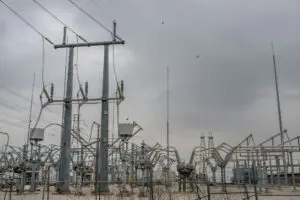
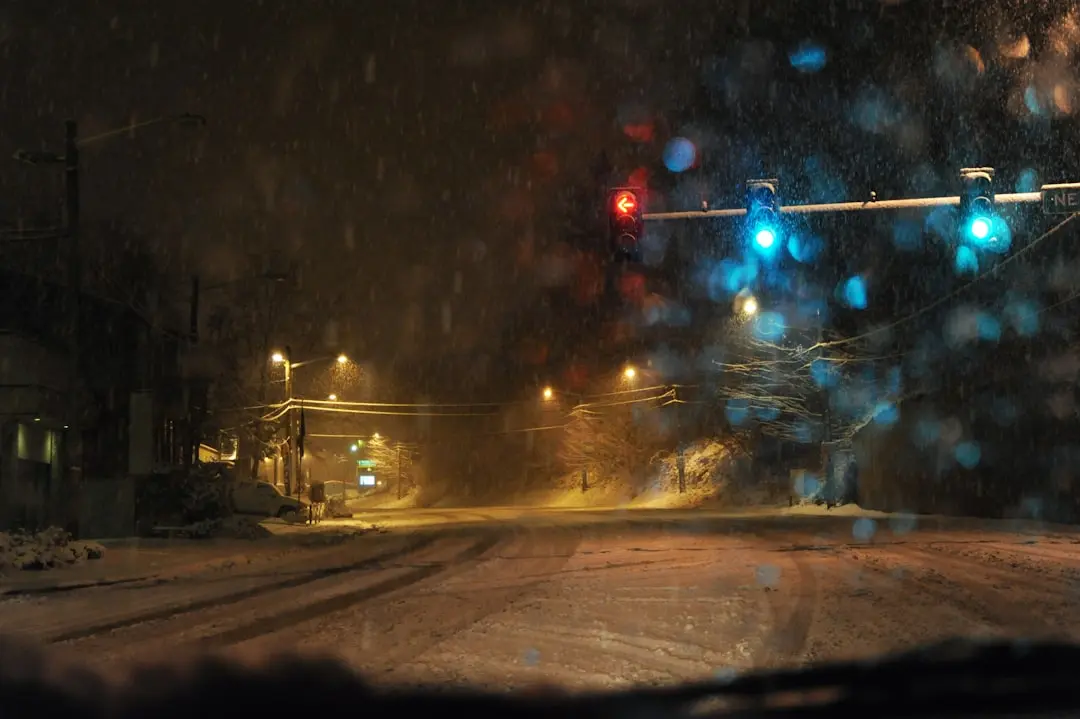
In terms of impact, both can result in difficult travel conditions, but sleet may pose a greater risk due to its tendency to create a slick layer on roadways and sidewalks. Snow accumulation can lead to heavy snow loads on roofs and can disrupt various services, such as power supply, especially when combined with strong winds.
Conclusion
As we continue to experience varied weather patterns, understanding the differences between sleet and snow becomes essential for proper preparedness and safety. Forecasters use various tools to monitor these weather phenomena, enabling better predictions and alerts. For individuals living in regions that regularly encounter winter precipitation, being informed about sleet and snow can aid in making safer choices during winter storms. By recognizing the distinctions between these two forms of precipitation, readers can better navigate the challenges posed by winter weather.