Introduction
With the arrival of colder weather patterns, freeze warnings have been issued across several regions in the United States. Understanding these warnings is crucial for protecting agriculture, ensuring community safety, and preventing property damage. As temperatures drop, residents are urged to prepare for potential hazards associated with freezing conditions.
What is a Freeze Warning?
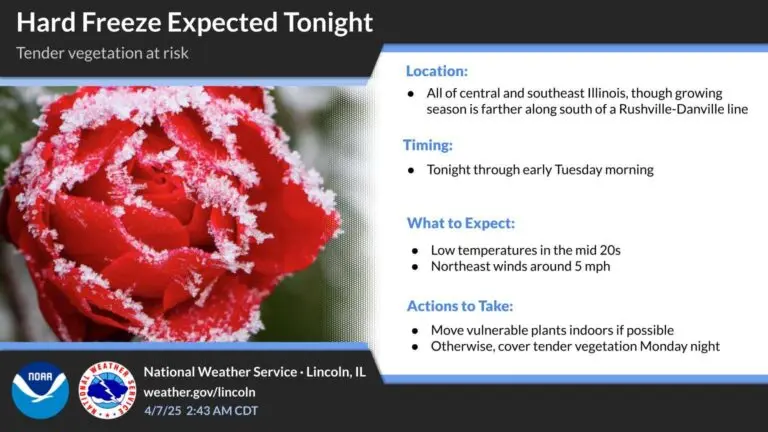
A freeze warning is issued by the National Weather Service (NWS) when temperatures are expected to fall to 32°F (0°C) or below for a prolonged period, resulting in frost formation. These warnings typically affect areas susceptible to cold temperatures, with potential impacts on plants, agriculture, and vulnerable populations. As of this month, states like Texas, Oklahoma, and parts of the Northeast have experienced notable freeze warnings due to shifting weather patterns.
Recent Events
As of mid-October 2023, numerous regions have been affected by freeze warnings, prompting local authorities to advise residents to take necessary precautions. For instance, in Texas, a sudden drop in temperature has alarmed farmers and gardeners, many of whom have had to cover their plants or harvest crops early to mitigate frost damage. In Oklahoma, public safety officials have alerted residents to the risks of slips and falls due to icy conditions on untreated sidewalks and roads during the night.
Precautions to Take
Residents are encouraged to heed freeze warnings by following these guidelines:
- Protecting Plants: Cover sensitive plants with cloth or burlap, or bring potted plants indoors.
- Winterizing Homes: Insulate pipes and ensure heating systems are in working order to prevent home damage.
- Monitoring Vulnerable Populations: Check on elderly relatives or neighbors who may be at risk of cold-related health issues.
- Road Safety: Avoid unnecessary travel during freeze conditions, and reduce speed to prevent accidents due to icy roads.
Conclusion
As weather patterns shift and winter approaches, freeze warnings are likely to become more common. Understanding the implications of these warnings is crucial for community preparedness and safety. By staying informed and taking appropriate precautions, residents can better protect themselves, their property, and their communities during these chilly months. Moving forward, it’s advisable to remain updated through local weather alerts and to proactively engage in winter readiness.