The Importance of Understanding Severe Weather in Hawaii
Hawaii, known for its picturesque landscapes and moderate climate, has recently faced increasing challenges from severe weather phenomena. Understanding these weather patterns is crucial for residents, tourists, and policymakers alike, as they have significant implications on safety, infrastructure, and the environment.
Recent Severe Weather Events
In late September 2023, Hawaii experienced an unprecedented rainstorm that caused extensive flooding across various islands, particularly in Maui and Oahu. The National Weather Service reported rainfall amounts ranging from 5 to 12 inches in some affected areas, leading to flash floods that disrupted transport and evacuations. Emergency services responded rapidly, with over 300 residents being rescued from stranded vehicles and inundated homes.
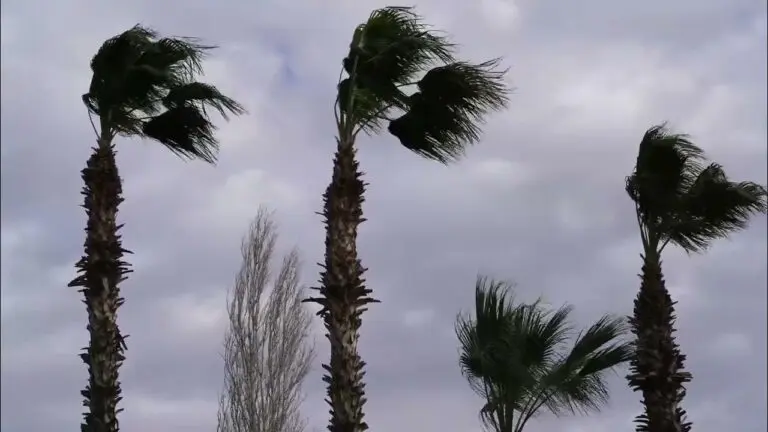
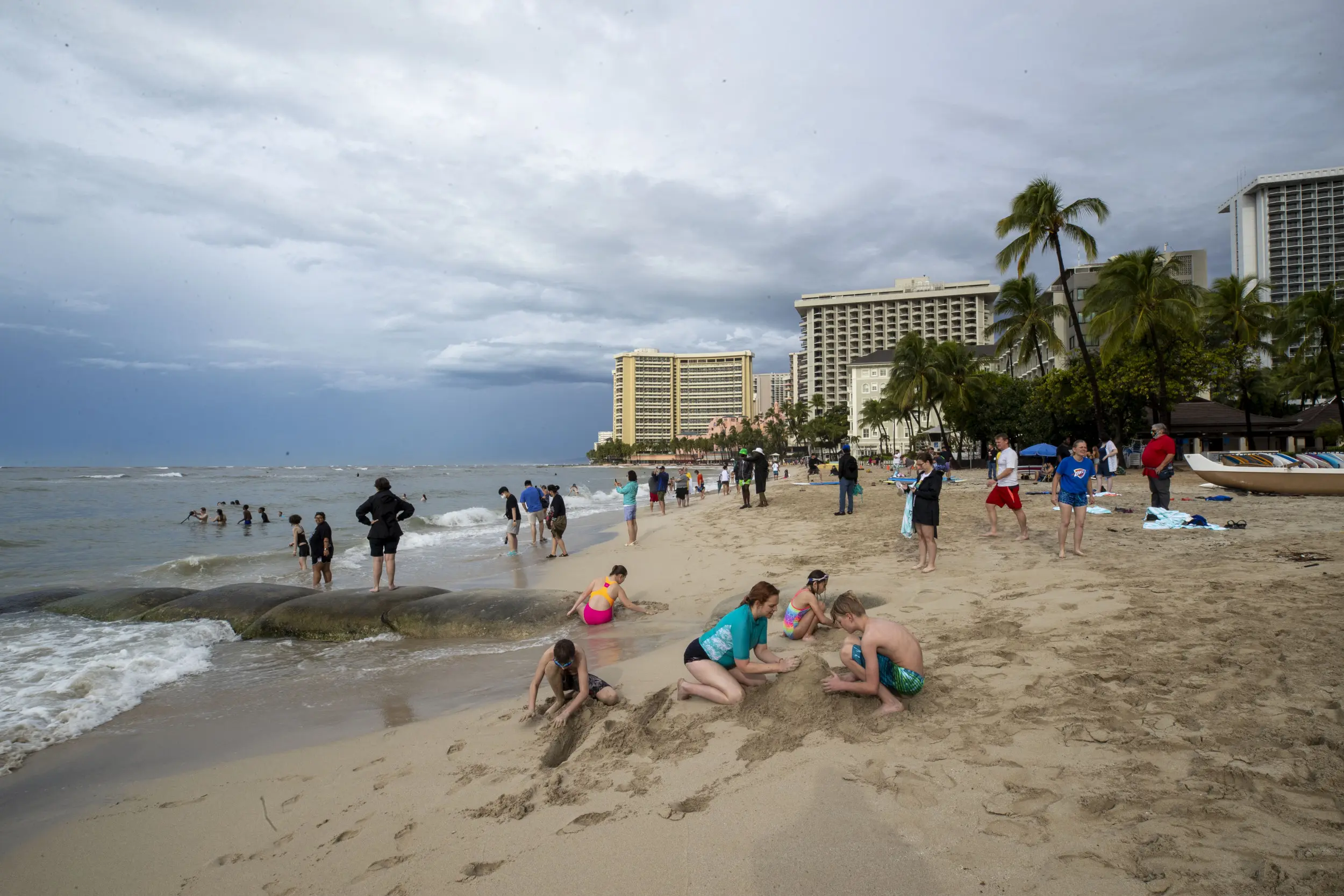
Additionally, the islands faced strong winds and high surf conditions as a result of tropical storm remnants passing through. The combination of heavy rains and strong winds resulted in power outages for thousands, with Hawaiian Electric reporting a peak of 20,000 customers without electricity. Restoration crews worked around the clock to rekindle power as safety assessments were conducted.
Impact on Communities and Environment
The immediate impact of these severe weather events has been profound. Community centers in the hardest-hit areas have become shelters and resource distribution points, emphasizing the importance of preparedness. Local businesses, particularly in tourism-dependent areas, witnessed a notable decrease in visitors during the severe weather, raising concerns about the economic ramifications.
Furthermore, scientists warn that the increasing frequency of extreme weather events in Hawaii correlates with climate change. Rising ocean temperatures contribute to unpredictable weather patterns, heightening the urgency for sustainable practices and environmental stewardship. Researchers at the University of Hawaii have noted that climate models indicate an upward trend in severe weather incidents, including intensified storms and floods, necessitating enhanced infrastructure and emergency planning.
Looking Ahead: Preparation and Resilience
As Hawaii continues to navigate the challenges posed by severe weather, state and local governments are taking proactive measures. Discussions are underway to invest in better drainage systems, improved emergency response protocols, and community education programs regarding severe weather preparedness. Residents are encouraged to stay informed and have disaster plans in place, as experts agree that the severity of such weather events may persist or even escalate in the coming years.
Conclusion
The rise in severe weather incidents in Hawaii underscores the growing significance of understanding and preparing for the impacts of climate change. By staying informed and active in community preparedness efforts, Hawaii’s residents can help mitigate the effects and enhance resilience against future severe weather challenges.