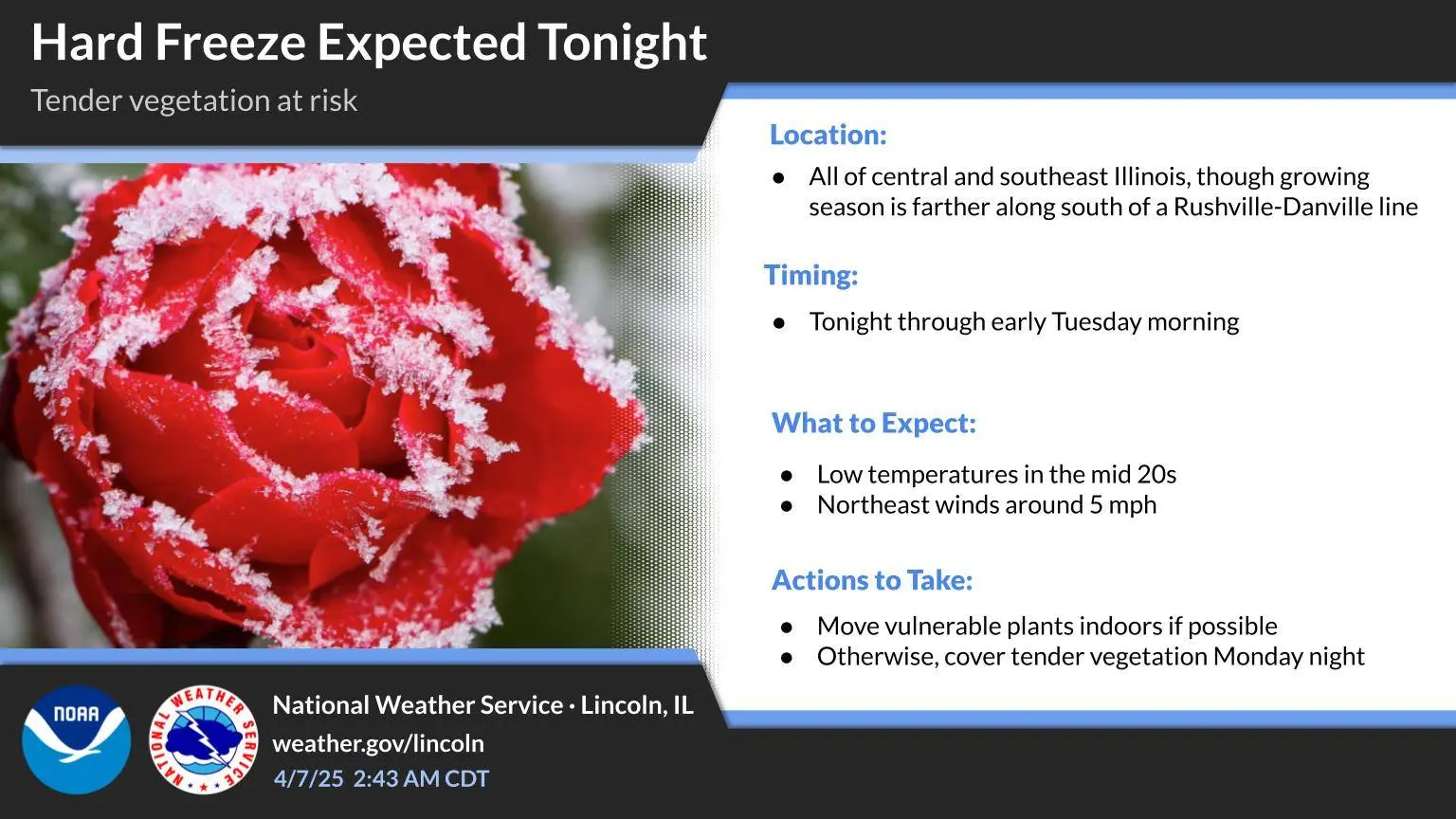
Introduction to Freeze Warnings
As the winter months approach, weather forecasts begin to bring attention to the importance of freeze warnings. These warnings indicate that temperatures are expected to drop below freezing, which can have significant repercussions on health, property, and agriculture. With an increase in severe weather patterns due to climate change, understanding freeze warnings is crucial for preparation and safety.
What is a Freeze Warning?
A freeze warning is issued by meteorological agencies when conditions are conducive to frost formation or when the temperature is expected to fall below 32°F (0°C) for an extended period. These alerts typically focus on the potential impacts such as damage to crops, heating challenges, and risks to vulnerable populations. The National Weather Service (NWS) provides these warnings a day or two in advance, allowing individuals to take necessary precautions.
Recent Freeze Warnings Across the U.S.
In late October 2023, several states, including Texas, Florida, and parts of the Midwest, experienced freeze warnings as unseasonably cold air surged south. The impact was significant; farmers were urged to cover their crops to avoid losing produce, and residents were reminded to check their heating systems to ensure they functioned properly as temperatures dropped. Notably, the weather service warned of potential black ice on roads, posing risks for travelers.
How to Prepare for a Freeze Warning
Preparation is key to minimizing the risks associated with freeze warnings. Here are a few essential tips:
- Protect Vegetation: Cover plants with blankets or burlap to retain heat, or bring potted plants indoors.
- Check Heating Systems: Before the temperature drops, ensure that your home heating system is operational and safe.
- Keep Pipes from Freezing: Insulate exposed pipes and let faucets drip slightly to prevent freeze damage.
- Dress Accordingly: Layer clothing when going outdoors, particularly for older adults who may be more susceptible to cold.
Conclusion
Freeze warnings are an integral part of winter weather alerts, and public awareness about their significance can lead to better safety practices during freezing temperatures. As climate patterns evolve, we can expect more frequent and intense weather events, making it even more crucial for people to stay informed. By preparing adequately for freeze conditions, individuals and communities can mitigate the effects and protect themselves against the cold.