Introduction
The Federal Emergency Management Agency (FEMA) plays a pivotal role in coordinating federal disaster response and recovery efforts across the United States. As climate change intensifies weather events and natural disasters become more frequent, the effectiveness of FEMA is increasingly important. Understanding its functions, challenges, and recent initiatives can provide insight into how communities can better prepare for and respond to emergencies.
FEMA’s Responsibilities
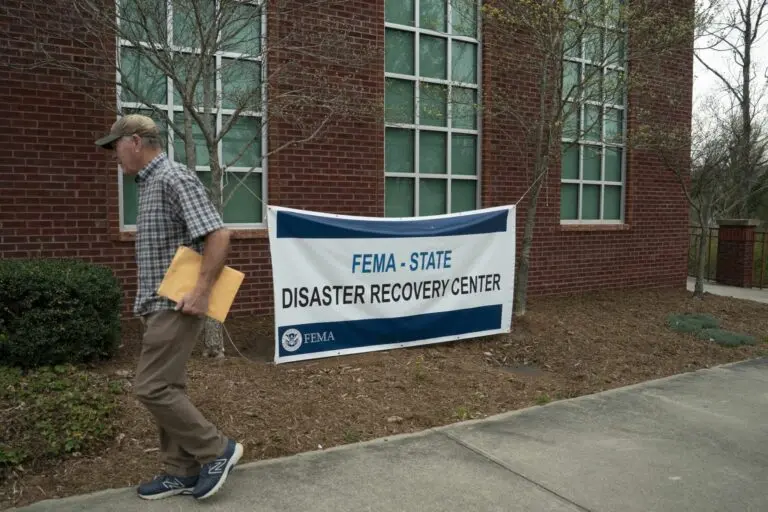
FEMA was established in 1979 to improve the federal government’s ability to respond to natural disasters such as hurricanes, floods, wildfires, and earthquakes. FEMA administers various programs designed to assist both states and localities in recovery efforts, including financial aid, disaster response coordination, and public education. The agency also works on mitigation projects aimed at reducing the impact of future disasters.
Recent Events and Initiatives
Recently, FEMA has been in the spotlight due to its response to a surge of natural disasters. In 2023, the agency responded to numerous hurricanes, tornadoes, and wildfires, showing its commitment to rapid and effective disaster response. For instance, in August, FEMA deployed resources to assist states battered by Hurricane Idalia, providing support ranging from emergency shelters to financial assistance for recovery.
Another significant initiative involves FEMA’s collaboration with state and local governments to enhance emergency preparedness. The agency has focused on community training programs, aiming to educate citizens on disaster preparedness. These programs empower individuals with knowledge and skills necessary for effective response and recovery, reducing dependency on federal assistance in the aftermath of disasters.
Challenges Ahead
Despite its successes, FEMA faces numerous challenges, particularly in resource allocation and addressing the needs of vulnerable populations. Funding issues often limit the agency’s ability to engage in long-term recovery projects. Additionally, ensuring that low-income communities receive the help they need remains an ongoing concern.
Conclusion
FEMA’s role in disaster management is more crucial than ever amid growing climate-related challenges. Its commitment to improving response systems and community preparedness initiatives signifies progress; however, scrutiny remains regarding its efficiency and effectiveness in resource allocation. As communities continue to face the threat of natural disasters, ongoing support for FEMA is vital to help ensure a robust federal response that can adapt to emerging challenges.