Introduction
The Federal Emergency Management Agency (FEMA) is an essential component of the United States’ disaster response framework. Established in 1979, FEMA is tasked with coordinating the federal government’s efforts to prepare for, respond to, and recover from natural and man-made disasters. Recently, as climate change leads to increased severe weather events, the agency’s role has become ever more significant.
The Importance of FEMA
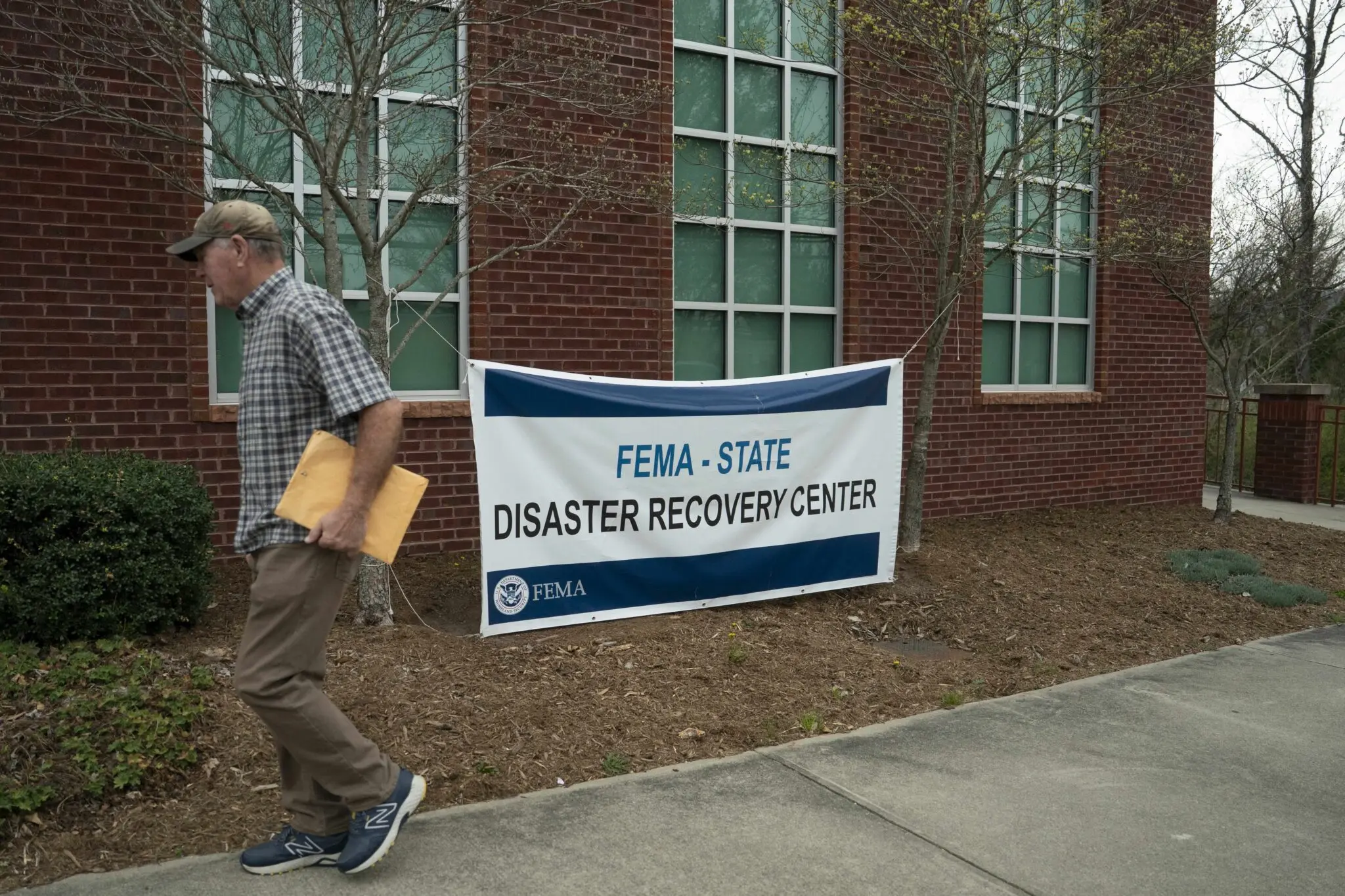
FEMA provides critical assistance during and after emergencies, whether it be hurricanes, floods, wildfires, or terrorist attacks. Its mission is to support citizens and first responders, ensuring that communities can recover effectively from disasters. In 2023, FEMA has been at the forefront of relief efforts, assisting states and localities impacted by an unprecedented number of natural disasters. For example, FEMA deployed resources to aid recovery efforts in Florida after Hurricane Idalia left significant damage in its wake.
Recent Developments
As of October 2023, FEMA has implemented various initiatives aimed at enhancing disaster preparedness and response. One of the significant programs introduced is the Community Rating System, which incentivizes communities to adopt floodplain management practices that exceed the minimum standards. Furthermore, the agency is increasing its focus on climate adaptation strategies to better prepare for future challenges, such as rising sea levels and intensified storm patterns.
FEMA is also integrating technology in its operations; the agency has launched an innovative app that provides real-time alerts and preparedness tips to users, ensuring that individuals are informed and ready to respond during crises.
Conclusion
FEMA’s role in disaster response is undeniably vital as the frequency and intensity of natural disasters continue to rise due to climate change. The agency not only coordinates immediate relief efforts but also invests in long-term preparedness and community resilience. As citizens become more aware of the need for disaster readiness, FEMA’s updates, resources, and community-focused programs will be pivotal in safeguarding lives and property. With ongoing changes in climate patterns, understanding the work of FEMA will help communities better navigate future challenges.