Introduction
The Federal Emergency Management Agency (FEMA) is a key component of the United States’ disaster management framework. Established in 1979, FEMA’s mission is to help people before, during, and after disasters, making it vital for communities to understand its functions and importance. As natural disasters such as hurricanes, wildfires, and floods become more frequent due to climate change, the role of FEMA has never been more relevant.
Recent Developments
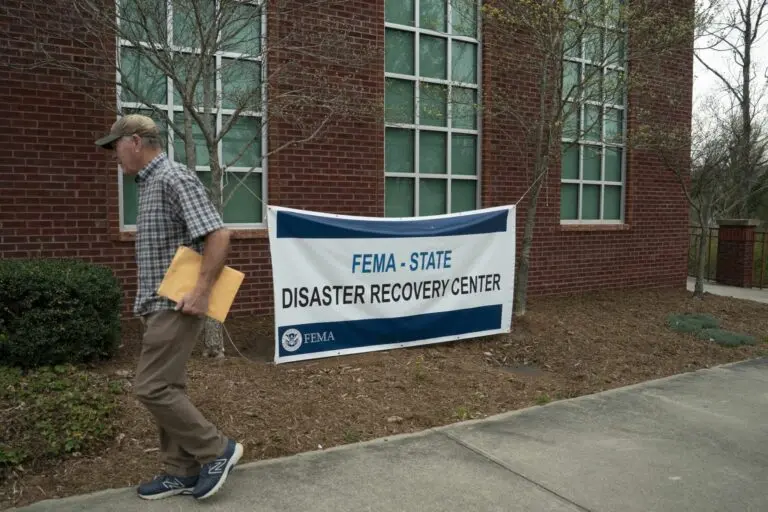
In 2023, FEMA has been actively involved in disaster response efforts in multiple states. Following the catastrophic aftermath of Hurricane Idalia, which made landfall in Florida in August, FEMA coordinated efforts to provide emergency assistance, including shelter, food, and medical care. The agency dispatched Rapid Response Teams to affected areas, ensuring that immediate needs were met swiftly.
Additionally, FEMA has continued to focus on long-term recovery efforts in regions impacted by past disasters. For example, following the devastating wildfires in California, FEMA allocated significant funding for rebuilding efforts, aimed not only at restoring infrastructure but also at implementing better fire prevention measures.
Preparedness and Community Engagement
FEMA’s commitment extends beyond disaster response; it emphasizes preparedness and community engagement. The agency offers resources and training programs that educate communities on disaster preparedness. In 2023, FEMA launched a new campaign aimed at increasing awareness about emergency kits and evacuation plans. This initiative encourages families to prepare ahead of time, which is crucial in mitigating the impact of disasters.
The agency also collaborates with local and state governments to conduct drills and simulations, ensuring that both emergency responders and community members are ready when disaster strikes. Recent feedback from surveys indicates that areas with active FEMA engagement have seen improved community resilience and faster recovery times from disasters.
Conclusion
The significance of FEMA in disaster management cannot be overstated. As climate-related events increase in severity, the agency’s role is essential not just in immediate response but also in fostering a culture of preparedness within communities. The ongoing legislative support for FEMA ensures that it remains equipped to handle future challenges. As citizens, being informed about FEMA’s resources can empower individuals and families to take proactive steps in safeguarding their lives and property against potential disasters. In an unpredictable world, preparedness is a shared responsibility, and FEMA is at the forefront of these efforts.