Introduction
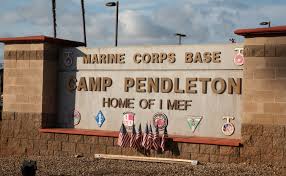
Camp Pendleton, one of the largest Marine Corps bases in the United States, plays a critical role in military operations and training. Located in Southern California, near San Diego, the base spans over 125,000 acres and is known not only for its strategic importance but also for its stunning coastal views. As a pivotal training ground for Marines, understanding Camp Pendleton helps shed light on the U.S. military’s operational readiness and commitment to national security.
History and Development
Established in 1942 during World War II, Camp Pendleton was named after Major General Joseph Henry Pendleton, a prominent figure in Marine Corps history. The base was originally a marine training facility, designed to prepare troops for deployment in the Pacific theater. Over the decades, it has evolved and expanded, accommodating various military operations, exercises, and training regimens for both active-duty and reserve personnel. Today, Camp Pendleton is home to nearly 40,000 Marines and their families, reflecting its ongoing significance in the military landscape.
Current Operations and Training
In recent years, Camp Pendleton has become a hub for various military exercises, including urban warfare training, amphibious assault training, and more. The base’s expansive training areas provide a versatile environment for preparing troops for real-world conditions. In 2023 alone, thousands of Marines have undergone rigorous training cycles that will enhance their capabilities across multiple domains, from land to sea. The base is also involved in crucial humanitarian missions, contributing to disaster relief efforts both domestically and internationally.
Community Impact and Engagement
Camp Pendleton is not just a military installation; it significantly affects the surrounding communities. The presence of the base brings economic benefits, including job creation and increased local business activity. Furthermore, the Marine Corps Community Services (MCCS) facilitates programs and services that promote the well-being of service members and their families. This includes education, recreation, and family support initiatives that foster positive relationships between the military and civilian populations.
Conclusion
Camp Pendleton stands as a vital component of the United States Marine Corps and national defense. Its historical significance, combined with contemporary training and community engagement efforts, underline its central role in ensuring operational readiness and national security. As the styles of warfare evolve, Camp Pendleton will likely continue to adapt and serve as a cornerstone for Marine Corps training and operations, highlighting its importance for both military readiness and local communities.