Introduction
The Chernobyl disaster, which occurred on April 26, 1986, remains one of the most catastrophic nuclear accidents in history. This tragic event not only claimed lives but also reshaped nuclear safety protocols globally, highlighting the potential dangers associated with nuclear energy. As the world continues to explore alternative energy sources, the implications of the Chernobyl disaster remain critically relevant in discussions on safety standards, legislation, and public perception of nuclear power.
The Disaster Unfolds
The Chernobyl nuclear power plant, located in Ukraine, experienced a catastrophic failure during a late-night safety test that went horrifically wrong. Reactor No. 4 exploded, releasing massive amounts of radioactive particles into the atmosphere. The immediate consequences were devastating: two plant workers died that night, and in the following days, 28 emergency responders succumbed to acute radiation sickness.
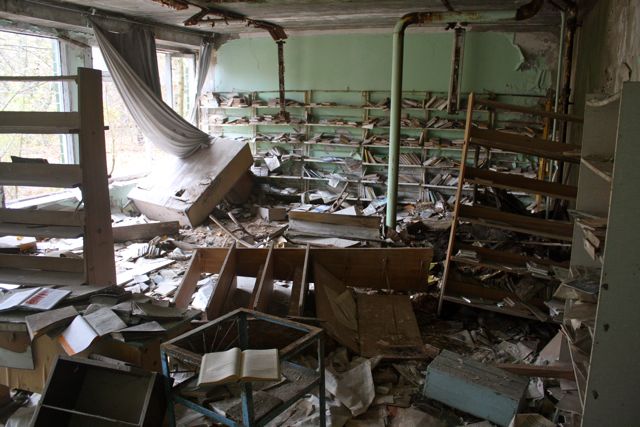
In the weeks and months that followed, more than 100,000 residents were evacuated, and entire towns were abandoned. The long-term effects of radiation exposure have led to increased cases of thyroid cancer and other health problems in the affected population, and to this day, Chernobyl serves as a potent reminder of the flaws in nuclear oversight.
Global Response and Changes in Nuclear Policy
In the aftermath of the Chernobyl disaster, a series of international protocols and safety measures were conceived to prevent similar occurrences. The incident prompted the International Atomic Energy Agency (IAEA) to improve nuclear reactor safety standards globally. Among these changes were stricter regulations concerning the training of personnel, risk assessment protocols, and the establishment of emergency response procedures for nuclear incidents.
The Chernobyl disaster also led to the creation of the Convention on Nuclear Safety, which set safety benchmarks and required member states to report on their compliance. Additionally, many countries reassessed their nuclear policies, leading to either the decommissioning of plants or significant upgrades to safety systems in place.
Current Perspectives and Memorialization
Today, the Chernobyl site serves both as a memorial and a research facility, attracting scientists and tourists interested in the historical implications of the disaster. Efforts to contain the radiation and rehabilitate the environment are ongoing, with a new sarcophagus installed to encase the reactor and prevent further leaks.
Conclusion
As humanity continues to harness nuclear energy, the lessons learned from Chernobyl remain vital. The disaster underscored the need for unwavering commitment to safety protocols and transparency in nuclear operations. With current discussions around climate change and energy transition, the impact of Chernobyl reminds us of the critical balance between energy needs and the imperative for safety. Ultimately, understanding the Chernobyl disaster allows for informed dialogue on the future of nuclear power, emphasizing the necessity of improved safety measures to protect future generations.