Introduction
September 11, 2001, marks a pivotal moment in history that changed the landscape of global security and international relations. The terrorist attacks that killed nearly 3,000 Americans and injured over 6,000 others on this day remain etched in the collective memory of not just the United States but the world. As we reflect on the events of that fateful day, it is crucial to understand its ongoing relevance in today’s world.
Overview of the Events
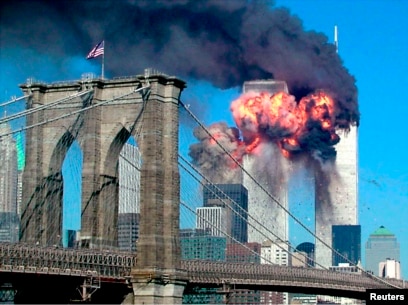
On the morning of September 11, 2001, 19 terrorists associated with the extremist group al-Qaeda hijacked four commercial airliners. Two of these planes, American Airlines Flight 11 and United Airlines Flight 175, were deliberately flown into the Twin Towers of the World Trade Center in New York City, leading to their catastrophic collapse. A third plane, American Airlines Flight 77, struck the Pentagon, the headquarters of the U.S. Department of Defense. The fourth plane, United Airlines Flight 93, was headed for a target in Washington, D.C., but crashed into a field in Pennsylvania, thanks to the courageous actions of its passengers.
The Aftermath and Response
The immediate aftermath of the attacks saw an unprecedented response from law enforcement and emergency services. Nearly 300 firefighters and paramedics lost their lives while trying to rescue others from the burning buildings. The attacks prompted a nationwide outpouring of grief, solidarity, and a commitment to national security. In the days following, the U.S. government launched Operation Enduring Freedom in Afghanistan, seeking to dismantle al-Qaeda and remove the Taliban from power.
In response to the attacks, the USA PATRIOT Act was enacted, significantly expanding law enforcement’s surveillance and investigative powers. The formation of the Department of Homeland Security and the implementation of various security measures at airports and public venues were established to prevent future attacks.
Long-term Implications
As we look back over two decades since that tragic day, it is clear that September 11, 2001, continues to influence global policies, immigration laws, and international relations. The War on Terror reshaped U.S. foreign policy, with military engagements in Iraq and ongoing counter-terrorism efforts around the globe.
Conclusion
The legacy of September 11, 2001, serves as a solemn reminder of the fragility of peace and security. As we remember the lives lost and the heroes who emerged that day, we must also reflect on its significance in shaping modern society and our collective commitment to preventing the rise of extremism. The events of that day resonate today, reminding us of our shared humanity and the importance of vigilance in safeguarding our freedoms.