Introduction to WMATA
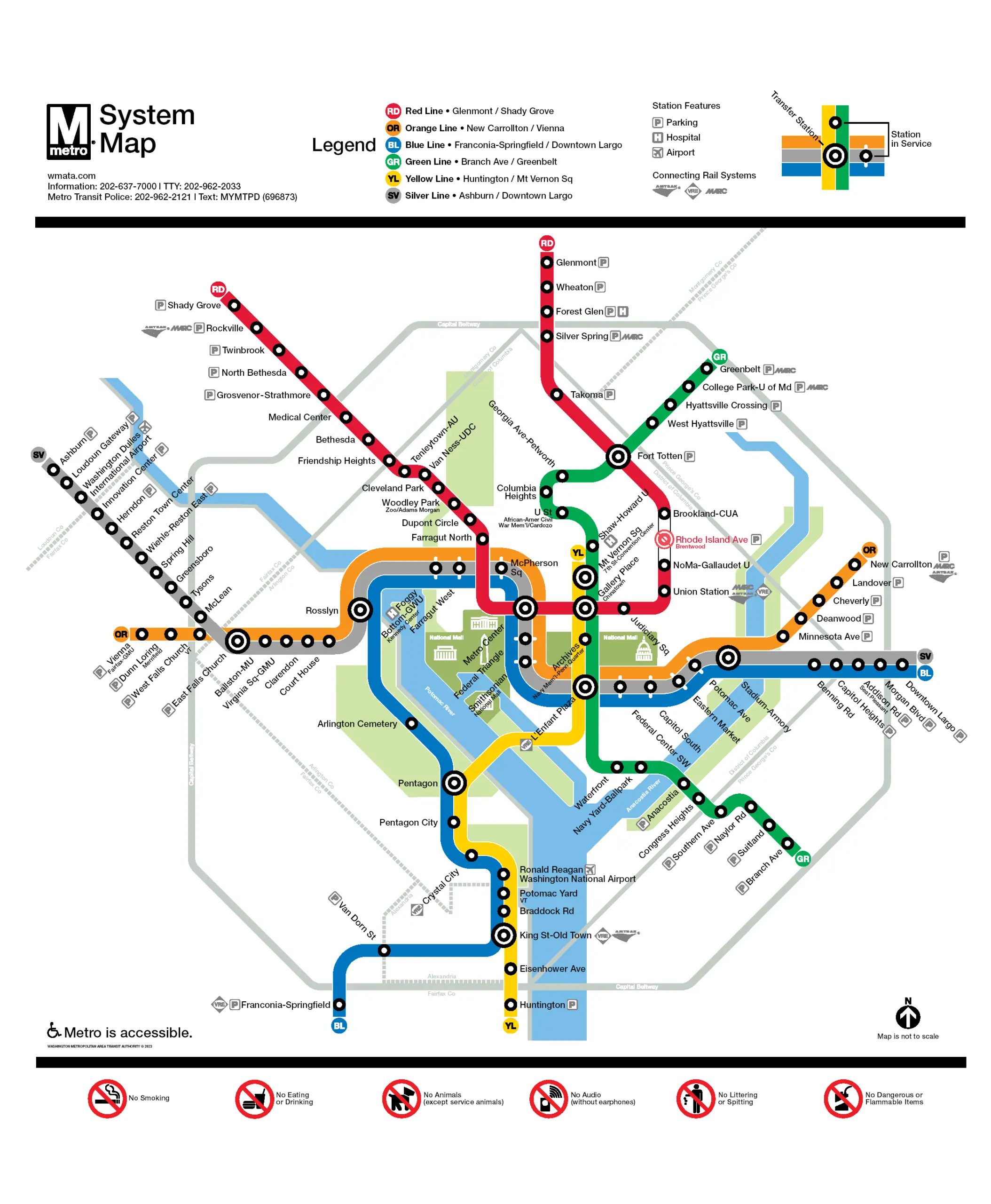
The Washington Metropolitan Area Transit Authority (WMATA) plays a crucial role in public transportation for the Washington D.C. metropolitan area. As the backbone of regional mobility, WMATA operates the Metrorail and Metrobus services, significantly impacting daily commuters, tourism, and the local economy. Recent updates from WMATA reflect a commitment to enhancing service reliability and expanding accessibility, particularly as transit ridership gradually recovers post-pandemic.
Recent Developments
On September 12, 2023, WMATA announced a series of service enhancements aimed at reducing wait times and improving overall efficiency. These improvements include increased frequency on several Metrorail lines during peak hours, as well as adjustments to bus routes to better serve high-demand areas. Additionally, WMATA has made strides in expanding its accessibility options, with real-time bus tracking systems being implemented across the network.
In alignment with sustainability goals, WMATA has also begun testing electric buses, aiming to reduce carbon emissions and foster a more eco-friendly transportation system. As part of their long-term plan, WMATA is investing in infrastructure upgrades, including modernizing train control systems to increase safety and operational responsiveness.
Current Challenges
Despite these positive developments, WMATA faces ongoing challenges, particularly related to funding and maintenance of the aging infrastructure. In a recent report, officials outlined a $10 billion funding gap over the next decade, which could hinder future projects and service improvements. Community advocacy groups are pushing for increased funding allocations from local and federal governments to ensure these critical improvements are not stalled.
Conclusion
<pThe trajectory for WMATA's future remains optimistic as they implement these updates and adjust to changing rider needs. The commitment to upgrading services and infrastructure reflects a focused approach to restore public confidence in transit use after significant declines during the pandemic. For residents and visitors in the D.C. metropolitan area, WMATA's initiatives will be pivotal in shaping a more connected and efficient urban environment, making public transport a more viable option for everyone.