Introduction
PSV, commonly known as Public Service Vehicles, play a crucial role in urban transportation systems across the globe. With the increasing challenges of urbanization, climate change, and traffic congestion, the focus on enhancing public transport options is more relevant than ever. PSV encompasses a range of vehicles designed to provide efficient, accessible, and sustainable transportation to the public.
Current Developments in PSV
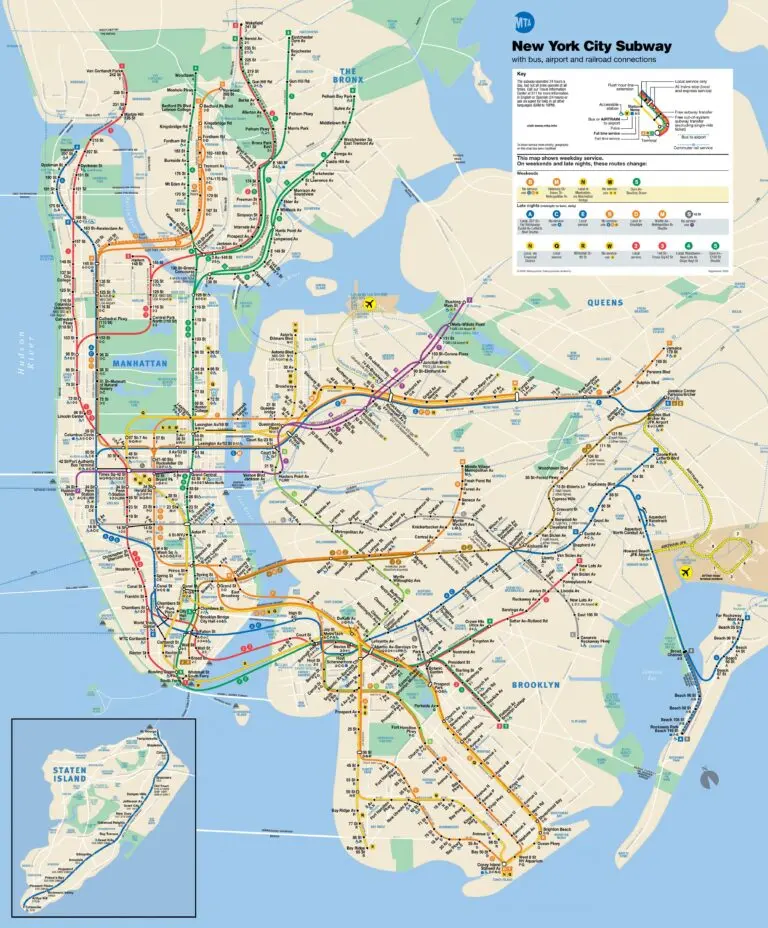
In recent months, several cities have made significant advancements in their PSV services. For instance, cities like New York and London have introduced electric buses to their fleets, reducing carbon emissions and improving air quality. London’s fleet now includes over 300 electric double-decker buses, which are not only environmentally friendly but also quieter than their diesel counterparts.
Additionally, platforms that provide real-time information about PSV availability, routes, and schedules are becoming increasingly common. Mobile applications are being developed and adopted by municipalities to make it easier for commuters to plan their journeys. This technology integration has led to increased ridership as more people become aware of their options and the convenience that PSVs provide.
Challenges Facing PSV
Despite the positive strides, there are still challenges that need to be addressed. Funding for public transit projects remains a significant obstacle. Many municipalities are struggling with budget constraints, which can hinder the expansion and upgrading of PSV systems. Moreover, safety concerns, particularly following the COVID-19 pandemic, have led to decreased public confidence in using shared transport.
In response to these challenges, various cities are exploring public-private partnerships to fund new PSV initiatives. By collaborating with private companies, public transit agencies can leverage additional resources and expertise to improve their services.
Conclusion
As urban areas continue to evolve, the role of PSV in shaping sustainable and efficient transportation solutions will remain critical. The integration of electric vehicles, technology advancements, and strategic partnerships will likely define the future of public transportation. For residents, a robust PSV system not only eases daily commutes but also contributes to a greener, more interconnected urban living space. The coming years will determine how effectively cities can innovate and adapt to meet the growing demands and expectations of their citizens.