Introduction
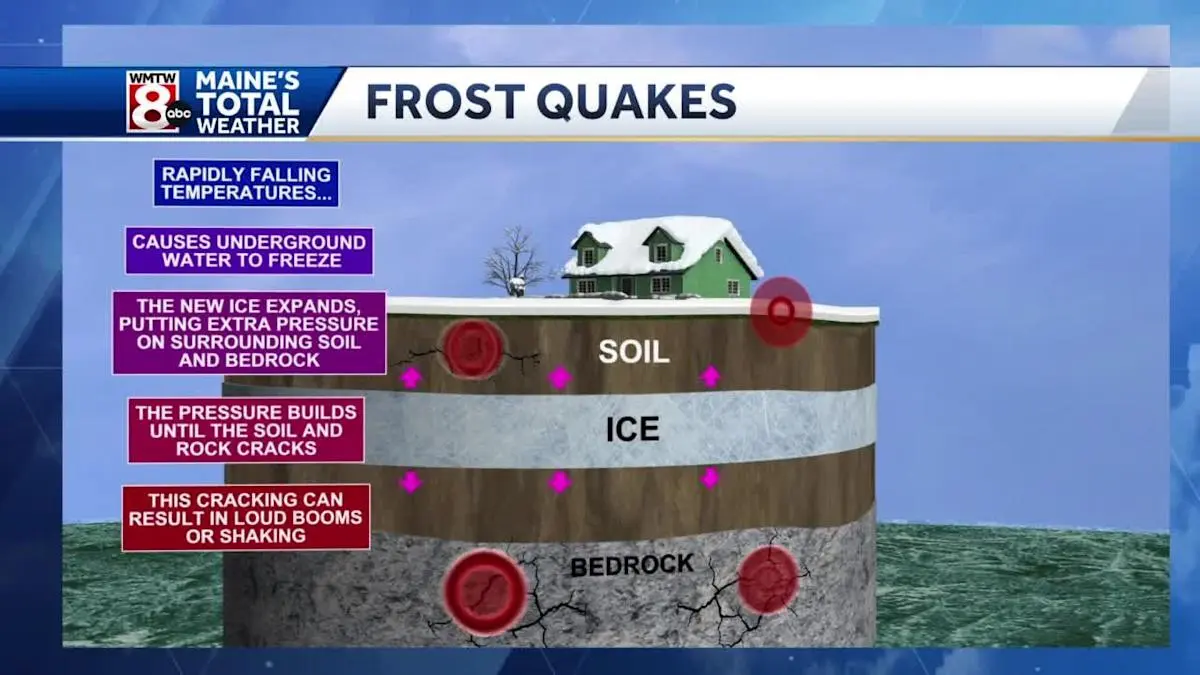
As climate patterns shift and unpredictable weather events become more common, phenomena like frost quakes are drawing attention from both scientists and the public. Frost quakes, scientifically referred to as “cryoseisms,” occur when rapid temperature drops cause water in the ground to freeze suddenly. This freezing leads to a violent expansion and subsequent cracking of the soil, resulting in noises resembling small explosions. Understanding frost quakes is important for residents in cold regions, as these events can impact infrastructure and raise concerns about natural hazards.
How Frost Quakes Occur
Frost quakes typically arise in the late autumn and winter months when temperatures plummet quickly after a period of warmth. During these cooler months, moisture in the soil can remain in liquid form until the temperature dips below freezing. When this occurs, the water expands as it freezes, creating significant pressure within the ground layers. Eventually, if the pressure exceeds the strength of the soil, fissures will appear, resulting in a loud cracking or popping sound. The intensity of a frost quake can vary, with some being strong enough to rattle windows or even cause minor property damage.
Recent Events and Impacts
In February 2023, several regions in the northeastern United States reported incidents of frost quakes as temperatures dropped significantly. Reports indicated that many residents heard loud booms and felt their homes shake during the night. Some local authorities noted structural damage to roads and sidewalks, attributing these issues to the effects of cryoseisms. While these events do not typically lead to significant destruction, they highlight the importance of understanding climate impacts in residential areas that experience extreme temperature fluctuations.
Conclusion and Significance
Frost quakes serve as a reminder of the dynamic relationship between climate conditions and the physical landscape. As global temperatures continue to fluctuate, understanding these occurrences may help communities prepare for and mitigate potential damage. Awareness of frost quakes is also essential for homeowners and local authorities, allowing for better planning in construction and development in frost-prone areas. As our climate continues to evolve, monitoring such phenomena will be crucial for safeguarding infrastructure and enhancing public safety.