Introduction to Frost Quakes
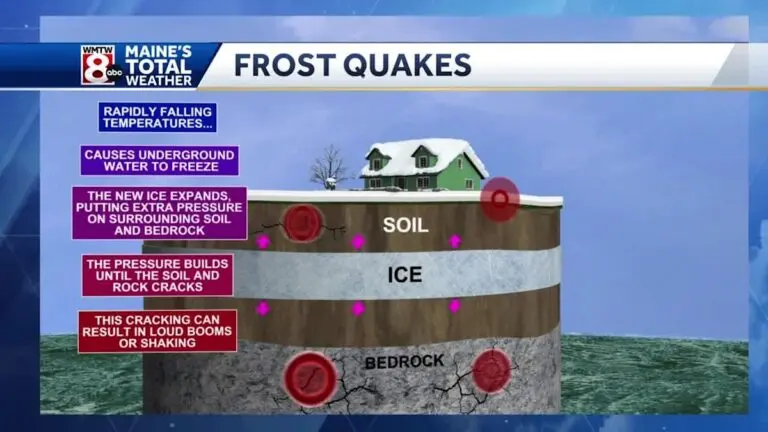
Frost quakes, also known as cryoseisms, are a natural phenomenon that occurs in freezing temperatures, when water trapped in the ground freezes rapidly and expands. As this expansion creates intense pressure, it can lead to audible explosions and vibrations, resembling miniature earthquakes. Given the increasing instances of extreme weather patterns due to climate change, understanding frost quakes becomes crucial for communities that frequently experience freezing temperatures.
What Causes Frost Quakes?
The conditions for frost quakes are generally set during early winter when temperatures plummet following a period of milder weather. As the soil retains moisture, rapid lowering of temperatures can cause the groundwater to freeze almost instantaneously. This quick freeze leads to dramatic expansion of the ice, ultimately breaking through the surrounding ground material. The process can produce a loud noise resembling thunder and has been reported to cause surface cracks and disturbances in the frozen ground.
Recent Events and Occurrences
In recent weeks, areas in the Northern United States, particularly in states like Minnesota and North Dakota, have reported an uptick in frost quakes, coinciding with sudden temperature drops. Local news has highlighted instances where residents experienced rumbling sounds and minor tremors, prompting discussions among geologists on the significance of these occurrences. The National Weather Service has been monitoring such conditions, advising residents to be aware of the potential for these vibrations and the accompanying surface damage.
Impact on Communities and Infrastructure
While frost quakes may not typically cause significant damage like traditional earthquakes, they can still lead to cracks in roads, sidewalks, and even buildings. For communities that experience them, it may be necessary to inspect infrastructure following severe frost quake occurrences. Understanding these natural events helps prepare residents for their effects, ensuring that necessary safety measures are put in place.
Conclusion: The Future of Frost Quakes
As climate patterns continue to evolve, the frequency and intensity of frost quakes may change. Increased periods of fluctuating temperatures could lead to more frequent occurrences, raising awareness about this phenomenon and its effects. For residents in frost-quake-prone areas, staying informed and prepared can help mitigate risks associated with these natural events. Continued research and monitoring will be essential in understanding and adapting to these unique geological phenomena.