Introduction to Freezing Rain
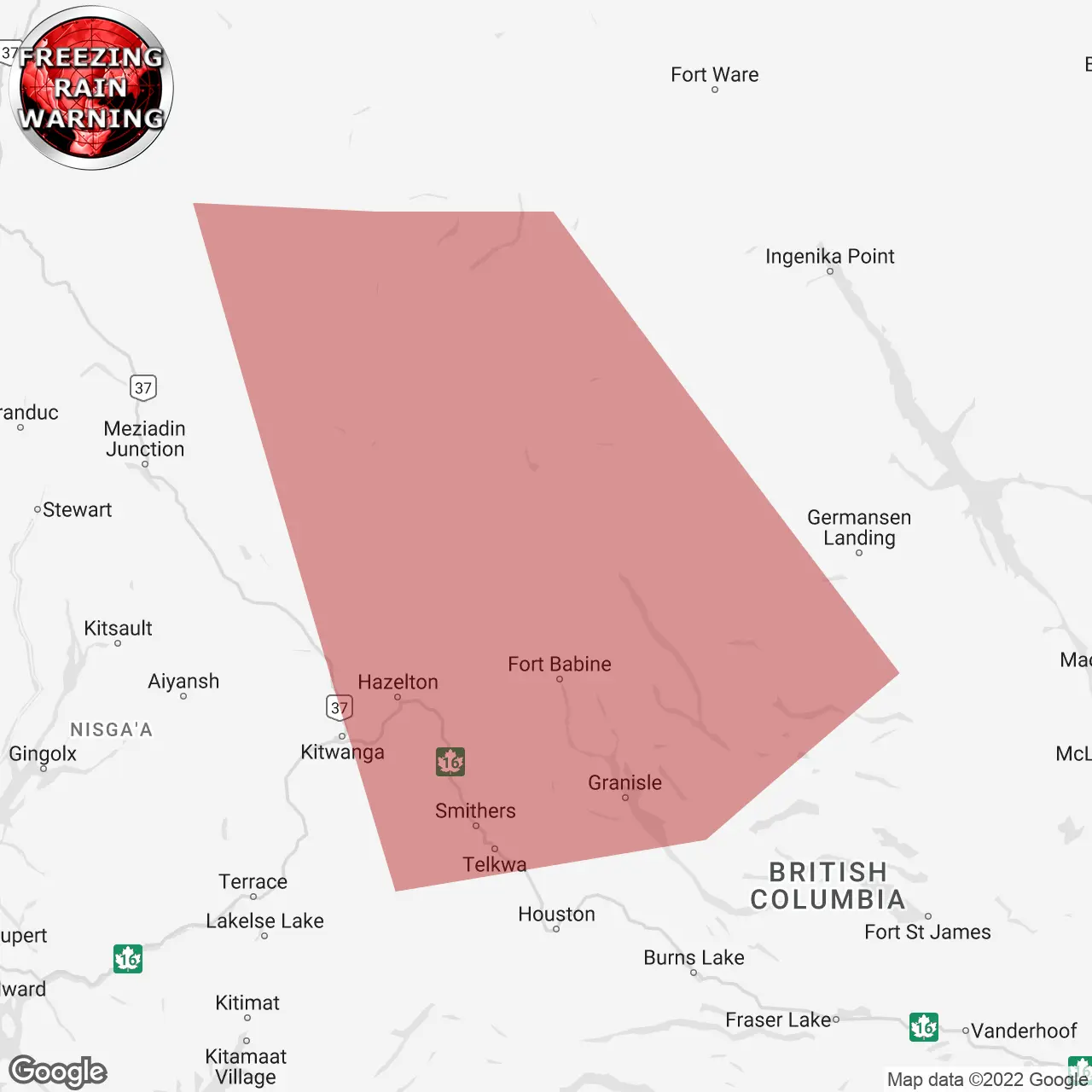
Freezing rain is a significant meteorological phenomenon that occurs when liquid rain freezes upon contact with cold surfaces, leading to hazardous conditions. It presents risks not only to transportation systems but also to power infrastructures and public safety. Understanding what freezing rain is and its implications is crucial for preparedness during winter storms, especially in regions subject to drastic temperature changes.
How Freezing Rain Occurs
Freezing rain occurs when snow or ice falls through a layer of warm air, causing it to melt into rain before passing through a layer of cold air near the ground, where it refreezes upon contact. This process can lead to the formation of a layer of ice over surfaces, which can range from a thin glaze to several inches thick, depending on the temperature gradient and duration of the precipitation.
Impact of Freezing Rain
The impact of freezing rain can be profound and widespread. Firstly, roads and sidewalks can become dangerously slick, causing an increase in traffic accidents. Transportation authorities often urge residents to avoid travel during freezing rain events. In addition, power lines and trees can become burdened with ice, leading to downed power lines and outages. According to the National Weather Service (NWS), freezing rain can lead to over 30% of winter storm-related injuries, emphasizing its danger.
Preparedness and Response
In areas susceptible to freezing rain, preparedness is essential. Authorities recommend individuals stay informed by monitoring weather alerts and forecasts. Investment in winter supplies such as ice scrapers, sand, and salt can aid in safely managing icy conditions. Additionally, people should be aware of the symptoms of hypothermia and frostbite, especially if they are outdoors during such weather.
Conclusion
Understanding what freezing rain is and its associated risks can better prepare individuals and communities for the safety challenges it presents. As climate patterns continue to change, freezing rain events may become more frequent, underscoring the importance of effective winter preparedness strategies. For residents in affected areas, staying alert to weather conditions and having a plan can minimize hazards and potentially save lives during these severe winter events.