Introduction
As weather patterns shift and change, various advisories are issued to alert the public of potentially hazardous conditions. One such advisory is the dense fog advisory, which becomes particularly critical during the colder months. These advisories can impact daily life, travel safety, and emergency responses, making it essential for individuals to understand what they entail and how to respond accordingly.
What is a Dense Fog Advisory?
A dense fog advisory is issued by the National Weather Service when visibility drops below a certain threshold, typically less than a quarter of a mile. This can create treacherous driving conditions and increase the likelihood of accidents. Fog forms when moisture in the air condenses, sometimes due to temperature changes at night. Regions with high humidity and calm wind conditions are particularly susceptible to dense fog, especially during the fall and winter months.
Recent Events
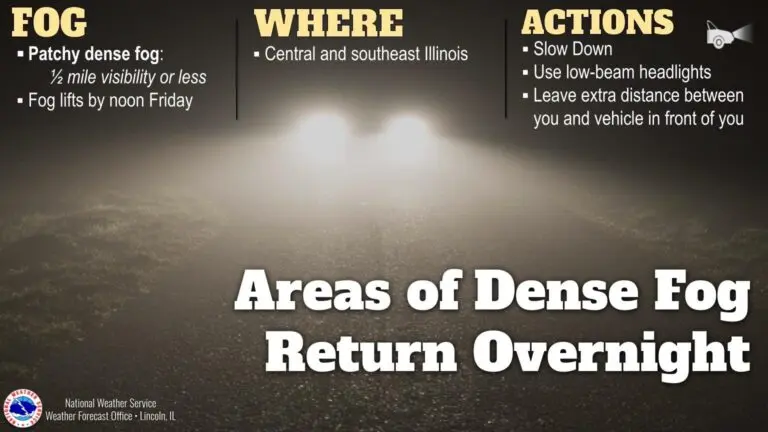
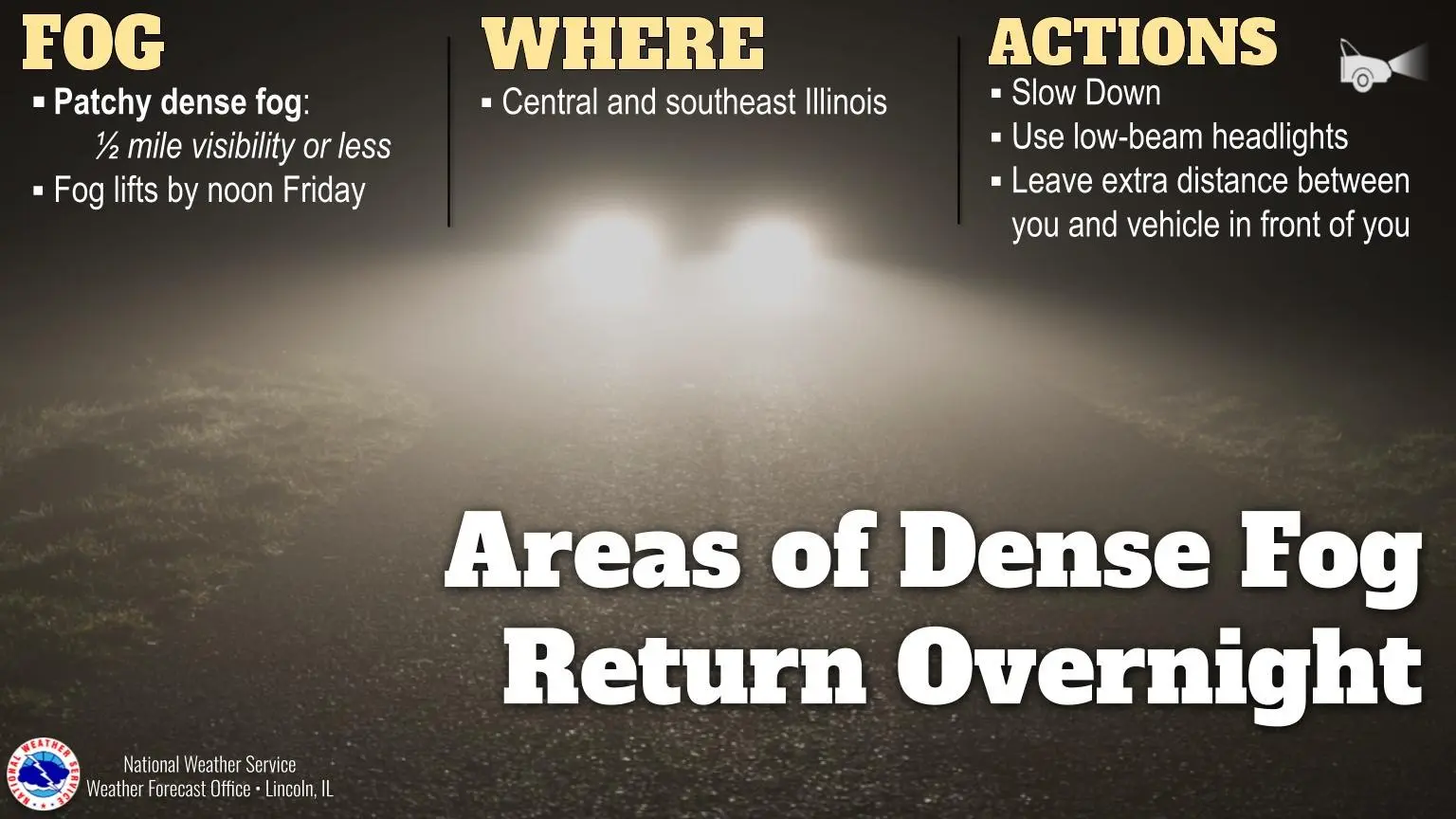
According to recent reports, various regions across the United States experienced dense fog advisories over the last few weeks. For example, in the Midwest, areas including Illinois and Indiana reported visibility dropping to as low as 100 feet in some places. This led to multiple traffic accidents, causing road closures and emergency response delays. Many state and local authorities urged residents to postpone travel if possible, using social media platforms to disseminate safety information quickly.
Safety Tips During a Dense Fog Advisory
When a dense fog advisory is in effect, drivers and pedestrians are encouraged to take specific precautions:
- Reduce speed and increase following distance
- Use low beam headlights, as high beams can reflect off the fog and reduce visibility further
- Be vigilant at intersections and be aware of other vehicles and pedestrians
- Consider postponing travel until visibility improves
Conclusion
Dense fog advisories play an essential role in enhancing public safety during poor visibility conditions. As climate conditions continue to change, leading to more frequent weather fluctuations, individuals must remain informed and prepared for such advisories. By understanding what a dense fog advisory means and taking the necessary precautions, people can mitigate risks and ensure safer travel conditions. It is crucial for communities to stay updated on weather alerts and use reliable information sources to navigate these challenges effectively.