Introduction
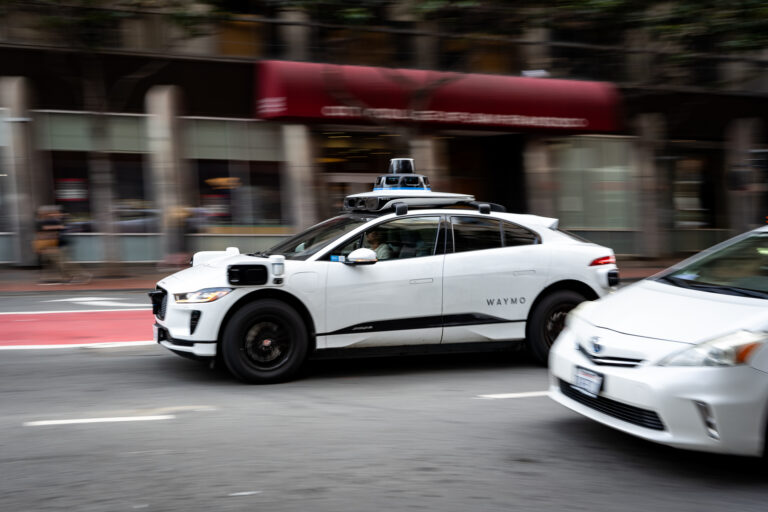
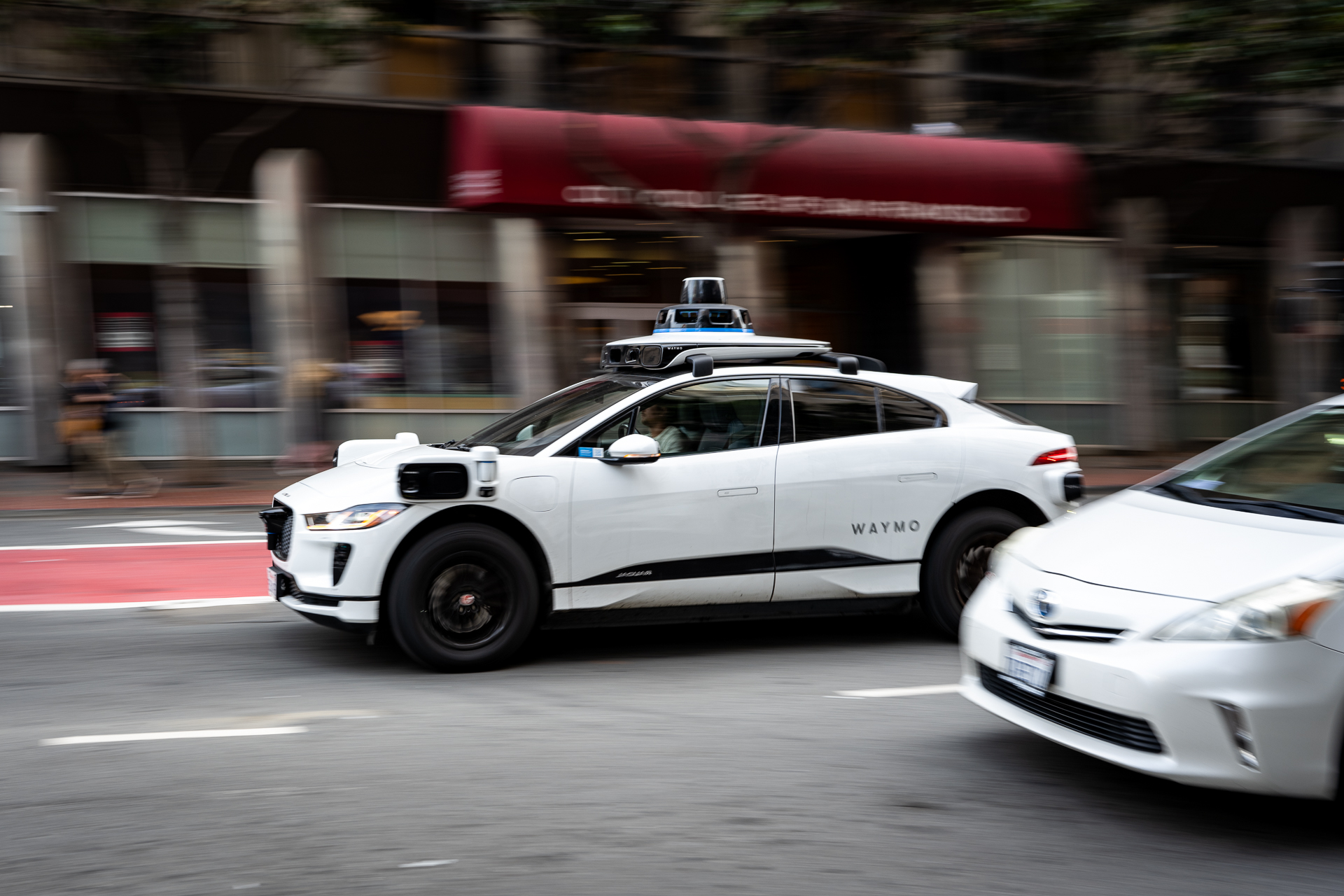
Waymo, a subsidiary of Alphabet Inc., is at the forefront of the autonomous driving revolution. With advancements in self-driving technology, Waymo is reshaping how we think about transportation and mobility. The significance of Waymo extends beyond just technological innovation; it poses questions about safety, regulation, and the future of the automotive industry. As cities evolve and the demand for smart transportation grows, Waymo stands out as a key player in the quest for fully autonomous vehicles.
Recent Developments
Waymo operates one of the most advanced autonomous driving programs in the world, boasting a fleet of fully self-driving minivans and electric vehicles. Recently, they expanded their operations in Phoenix, Arizona, where they offer an autonomous taxi service known as Waymo One. This service has received enthusiastic feedback from riders who appreciate the convenience and safety that self-driving vehicles can provide.
In 2023, Waymo announced plans to extend its services to San Francisco and other urban areas, showcasing the company’s commitment to scaling its technology. Furthermore, Waymo has been actively partnering with municipalities and logistics companies, exploring applications beyond personal transportation, including deliveries and goods transportation.
Technology Behind Waymo
The success of Waymo can be attributed to its sophisticated technology, which includes high-definition mapping, machine learning algorithms, and an intricate network of sensors to detect surroundings. With over 20 million miles driven on public roads and billions of miles simulated, the company has accumulated a wealth of data to refine its systems. Their commitment to safety is evident with multiple layers of testing and validation before rolling out new features.
Challenges Ahead
Despite its achievements, Waymo faces significant challenges. Public perception and regulatory hurdles remain major barriers to widespread adoption of autonomous vehicles. Additionally, competition is intensifying, as other companies like Tesla, Cruise, and Rivian invest heavily in similar technology. Safety concerns from potential accidents and ethical dilemmas in programming self-driving cars are ongoing conversations that need addressing.
Conclusion
Waymo represents a significant leap towards a future where autonomous vehicles could transform daily commuting and mobility services. As the world grapples with increasing urbanization and the need for efficient transportation, the implications of Waymo’s success reach far beyond innovation. Looking ahead, continued advancements in technology, strong partnerships, and responsive regulations will be crucial in shaping the next era of transportation. For readers, the significance of Waymo is not just about self-driving cars; it’s about a shift in how we view mobility and the potential implications on our society.