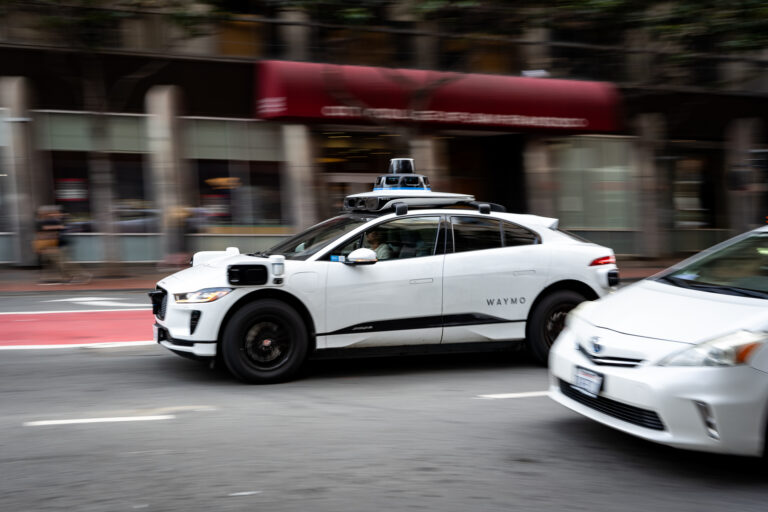
Introduction: The Significance of Autonomous Vehicles
Autonomous vehicles (AVs) have emerged as one of the most significant innovations in the transportation sector, poised to revolutionize how we travel. With advancements in artificial intelligence, sensors, and connectivity, AVs promise to enhance road safety, reduce traffic congestion, and transform urban mobility. As public interest and investment in AV technology grow, understanding their implications becomes increasingly relevant.
The Current Landscape of AV Technology
As of 2023, multiple companies, including renowned tech giants and traditional automotive manufacturers, are vigorously testing and deploying AVs. Companies like Waymo, Tesla, and General Motors are at the forefront, demonstrating the technology’s feasibility through pilot programs in select cities. According to a recent report by the International Council on Clean Transportation, over 30,000 AVs are estimated to be operating on public roads worldwide. This rapid development is supported by significant investments, with projections indicating that the AV market could surpass $500 billion by 2030.
Major Events Shaping AV Adoption
In 2023, several key events have shaped the discourse around AVs. In March, California passed a series of regulations that streamline the testing and deployment process for AVs, paving the way for broader public acceptance. In June, Tesla unveiled its latest Full Self-Driving update, showcasing its advancements in AV capabilities and raising debates regarding safety and liability on the road. Moreover, public demonstrations of AVs, such as those by Waymo, have instigated discussions about infrastructure adaptations needed to accommodate these vehicles.
Challenges Facing Autonomous Vehicles
Despite the promising outlook for AVs, several challenges remain. Safety is paramount, with incidents involving AVs drawing scrutiny from regulators and the public. Ensuring that these vehicles can operate safely in diverse environments and unpredictable circumstances is crucial. Additionally, ethical concerns regarding decision-making algorithms in critical situations have sparked discussions around the responsibility of manufacturers and developers.
Conclusion: The Future of AVs
The future of AVs undoubtedly holds exciting prospects for enhancing transportation systems around the globe. As technology continues to evolve, so will the frameworks and policies governing their use. It is essential for stakeholders—manufacturers, policymakers, and the general public—to engage in ongoing discussions about the implications of AV technology. By addressing the challenges and focusing on collaborative strategies, the vision of a safer, smarter, and more efficient transportation future with AVs may soon become a reality. As we navigate this transformative era, staying informed about advancements and regulatory developments will be crucial for understanding the trajectory of autonomous vehicles.