The Importance of Winter Weather Warnings
As the winter months approach, winter weather warnings become an essential component of public safety announcements across the United States. These warnings signify the potential for severe weather conditions such as snowstorms, ice storms, and extreme cold temperatures. Understanding these alerts is crucial for ensuring personal safety, planning travel, and responding appropriately to potentially hazardous conditions.
Current Winter Weather Alerts
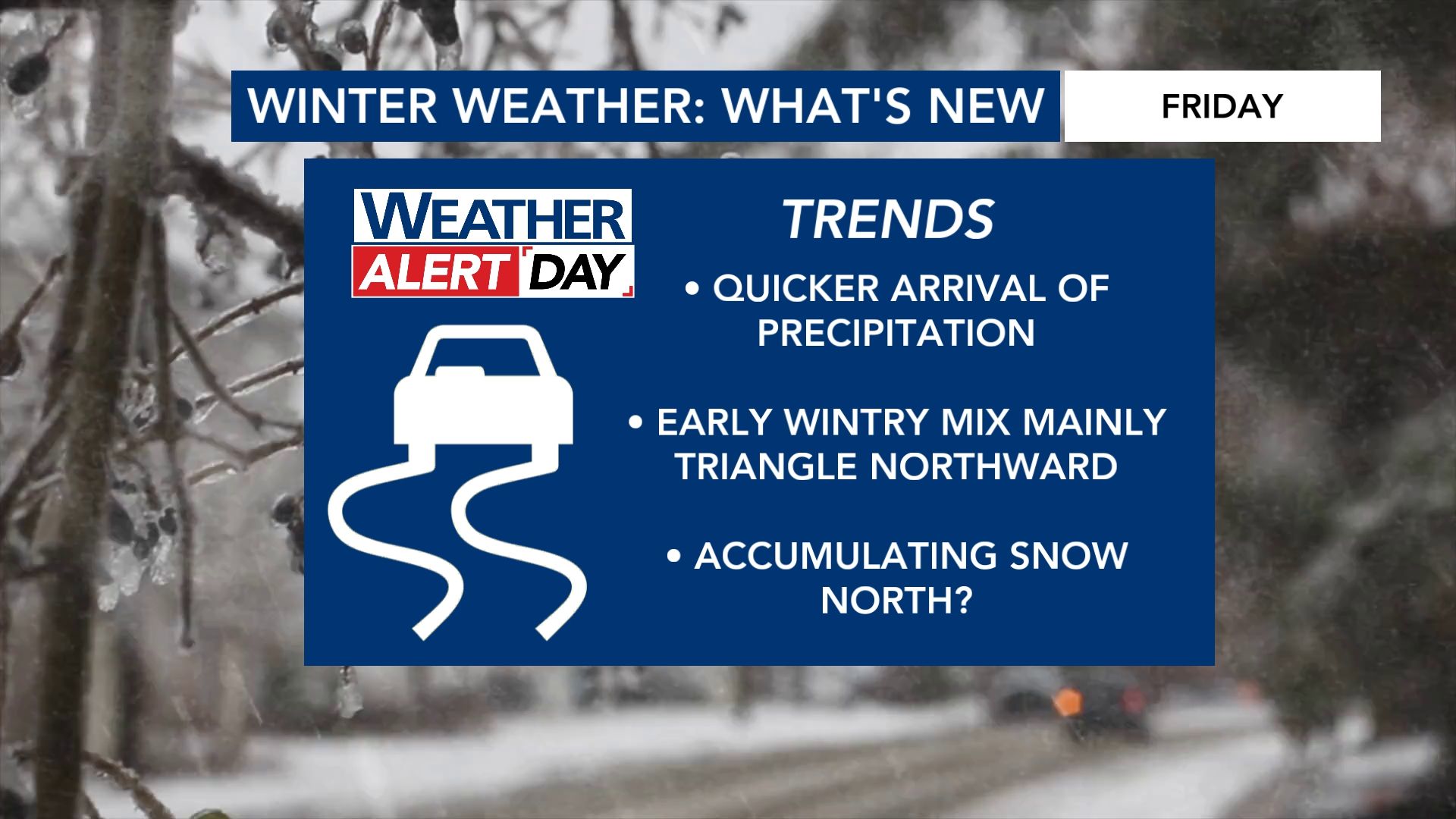
As of early December 2023, meteorologists have issued a series of winter weather warnings across various states, particularly in the Midwest and Northeast regions. Areas from Minnesota to New York are currently bracing for heavy snowfall, with accumulations reaching up to 12 inches in some regions. Ice storms have also been reported, prompting warnings in parts of the southern states where such conditions are less common. The National Weather Service (NWS) continues to monitor and update alerts in real-time, ensuring that residents are equipped with the latest information.
Types of Warnings
Winter weather warnings come in various forms, each with specific criteria:
- Winter Storm Warning: Issued when significant amounts of snow, sleet, or freezing rain are expected.
- Ice Storm Warning: Indicates that ice accumulations will make travel dangerous.
- Blizzard Warning: Cited when strong winds and heavy snowfall reduce visibility to less than a quarter-mile for at least three hours.
Preparation and Safety Measures
When winter weather warnings are issued, it is crucial for individuals and families to take appropriate precautions. Experts recommend staying indoors during severe conditions, preparing emergency kits with essentials, and keeping informed through reliable weather sources. If travel is necessary, it’s important to check road conditions, leave ample time for travel, and ensure that vehicles are equipped for winter driving.
Conclusion
Winter weather warnings serve as vital communications for the safety and well-being of communities during potentially life-threatening conditions. As weather patterns continue to evolve, staying informed and prepared is more important than ever. Following updates from the National Weather Service and local meteorologists can mean the difference between safety and danger during the winter months. With forecasts indicating that extreme winter conditions may persist into the new year, the importance of heeding these warnings cannot be overstated.