Introduction
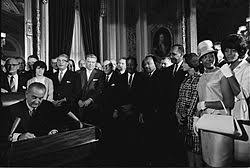
The Voting Rights Act of 1965 is a landmark piece of federal legislation aimed at eliminating racial discrimination in voting. This act is not only a crucial aspect of American history but also continues to play a vital role in shaping the democratic landscape today. With various states introducing new voting laws, understanding the act’s relevance and its ongoing implications is essential for all citizens.
Historical Context
Passed during the Civil Rights Movement, the Voting Rights Act aimed to enforce the voting rights guaranteed by the Fourteenth and Fifteenth Amendments. Initially focused on the Southern states, the act targeted practices such as literacy tests and poll taxes that disenfranchised African Americans and other minority groups. Its successful implementation led to a significant increase in voter registration and participation among these groups.
Recent Developments
In recent years, however, the Voting Rights Act has faced significant challenges and changes. A landmark 2013 Supreme Court decision, Shelby County v. Holder, invalidated key provisions of the act, particularly the formula used to determine which jurisdictions were subject to federal oversight before changing voting laws. As a result, many states moved to enact new voting restrictions, leading to ongoing debates over their impact on voter suppression.
Current Legislation Efforts
In response to these developments, various initiatives have emerged to restore and strengthen voting protections. The John Lewis Voting Rights Advancement Act, named after the late civil rights icon, aims to reinstate federal oversight of voting changes in areas with a history of discrimination and to expand protections against voter suppression tactics. Lawmakers are actively discussing the potential for this bill to be reintroduced and passed in the current Congress, especially in the wake of the 2020 elections, where allegations of voter suppression gained national attention.
Conclusion
The Voting Rights Act remains a cornerstone of American democracy, symbolizing the ongoing struggle for equal access to the ballot box. As changes continue to unfold in legislative and judicial circles, it is crucial for citizens to stay informed about their voting rights and advocate for policies that protect these fundamental principles. The future of fair and equitable voting in the United States hinges on active participation and vigilance against attempts to undermine these rights. As the fight for equality progresses, awareness and action from the public will be key in ensuring that all voices are heard and represented in the electoral process.