Introduction to Executive Orders
Executive orders represent an essential aspect of the U.S. government, allowing the President to implement policies and manage the federal administration efficiently. These directives are crucial as they can shape legislative outcomes without the need for Congressional approval. The importance of executive orders has been particularly highlighted in recent years, as various administrations have utilized them to navigate complex political landscapes and address pressing national issues.
What are Executive Orders?
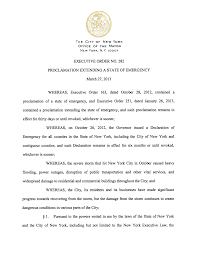
Executive orders are legally binding directives issued by the President to manage the operations of the federal government. Rooted in the Constitution and the opinions of the Office of Legal Counsel, these orders allow a President to enforce existing laws, direct government agencies, and establish new policies. Historically, executive orders play a pivotal role in times of emergencies or when swift action is required.
Recent Executive Orders and Their Impact
Under the Biden administration, several significant executive orders have been issued, reflecting various priorities such as climate change, public health, and racial equity. For instance, one of the first orders signed by President Biden rejoined the Paris Agreement, underscoring a renewed commitment to international climate action. Similarly, orders aimed at promoting equity and preventing discrimination highlight the administration’s focus on social issues. These directives have immediate implications for federal agencies and are designed to guide their policies and decisions moving forward.
Controversies and Challenges
Despite their effectiveness, executive orders can be controversial. Critics argue that they may undermine the legislative process and bypass necessary checks and balances. Additionally, significant orders often spark legal challenges or pushback from Congress. For example, former President Trump’s travel ban faced numerous legal hurdles, demonstrating the complexities associated with executive actions. As a result, the role of executive orders is often debated in relation to the extent of presidential power.
Conclusion
In an ever-evolving political landscape, executive orders remain a powerful tool for U.S. Presidents to influence policy and respond to urgent national concerns. As citizens observe the ongoing issuance of executive orders, understanding their scope, purpose, and potential impacts becomes crucial. Looking forward, the effectiveness of these orders will depend on their enforcement and the political will behind them, revealing the intricate balance of power within the federal government.