What is the Polar Vortex?
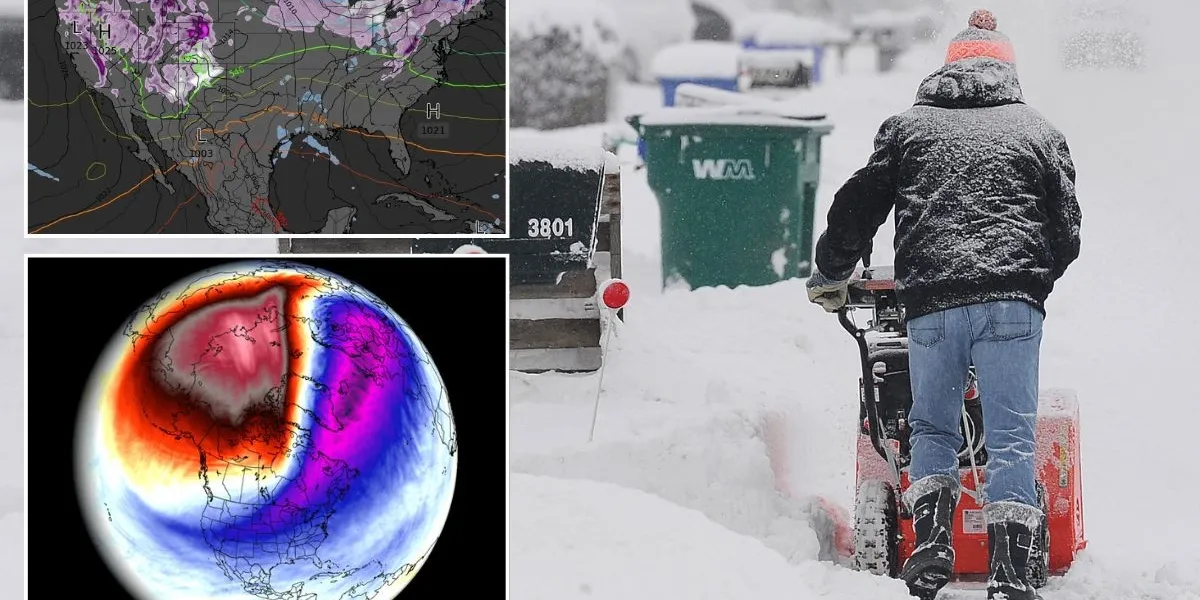
The polar vortex is a large area of low pressure and cold air surrounding the Earth’s poles. It is a significant player in weather patterns, especially during the winter months in the Northern Hemisphere. When the polar vortex is strong, it keeps the cold air contained in the Arctic. However, when it weakens, it can lead to unusual weather events.
Current Forecast for Polar Vortex Collapse
As winter approaches in 2023, meteorologists are closely monitoring the polar vortex for signs of instability. Recent analysis from the National Weather Service indicates that there is a higher chance of a polar vortex collapse compared to previous years. Weather models suggest a weakening of the polar vortex over the coming weeks, which could lead to significant shifts in weather across North America and Europe.
Implications of a Collapse
Should the polar vortex collapse, the effects could be severe. Cold Arctic air can plunge southward, leading to extreme cold temperatures for much of the central and eastern United States. Significant snowfall and blizzard conditions may also arise as this cold air interacts with warmer weather fronts in the southern regions. Historical data has shown that such events can lead to both dangerous travel conditions and increased heating costs during the peak winter months.
Conclusion: Preparing for Possible Outcomes
As we move further into winter, it is crucial for residents in affected areas to stay informed about the polar vortex collapse forecast. By monitoring weather updates and preparing for extreme conditions, communities can mitigate the impacts of potential cold snaps. Experts encourage households to have emergency plans in place and to stock up on essential supplies. As always, understanding and responding to fluctuations in the polar vortex will be vital for safety and well-being this winter.