Introduction to Extreme Cold Warnings
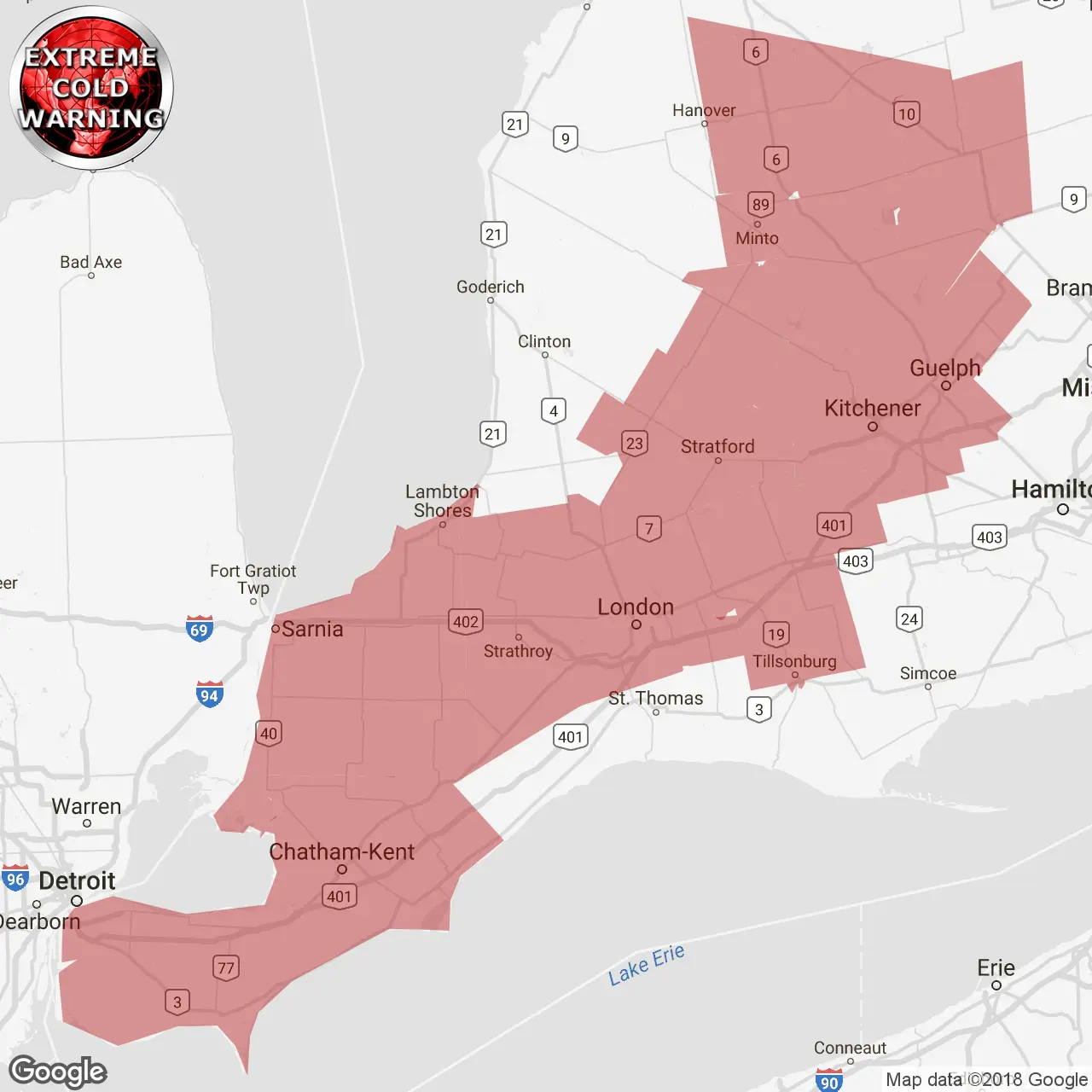
As weather patterns continue to shift, the National Weather Service (NWS) has issued extreme cold warnings across several Midwest states. This urgent alert serves as a critical reminder for residents and communities to prepare for dangerous temperature drops that can pose significant risks to health and safety.
Recent Developments in Extreme Cold Warnings
In recent days, many areas have reported temperatures plunging well below freezing, with wind chills making conditions feel even colder. The NWS has advised local residents in states like Minnesota, Wisconsin, and Iowa to take safety precautions seriously, particularly those engaging in outdoor activities or those without adequate heating systems. Schools and businesses are adjusting schedules as they attempt to protect individuals from weather-related hazards.
Preparation and Safety Measures
In response to these warnings, local governments are urging people to limit time spent outdoors, especially during peak hours of low temperature. “Dress in layers, keep dry, and always cover exposed skin to prevent frostbite,” stated a public information officer from the Minnesota Department of Health. Emergency services are on high alert, prepared for an increase in incidents related to cold exposure.
Broader Implications of Extreme Cold
The impacts of an extreme cold warning extend beyond personal safety. Utilities experience heightened demand as residents turn up their heating systems, which can lead to increased energy costs. Furthermore, the cold can disrupt transportation, leading to delays and accidents on icy roads. State transportation departments have ramped up snow and ice management measures as a proactive approach to mitigate these issues.
Conclusion and Forecasts
As the Midwest faces these extreme cold conditions, it is essential for residents to heed the warnings and prepare accordingly. While weather patterns can be unpredictable, understanding the severity of an extreme cold warning is vital to ensuring personal safety and well-being. Experts suggest that community engagement, such as sharing resources and checking in on vulnerable neighbors, will be crucial in the coming days. As we navigate this cold snap, awareness and preparation could very well save lives.