Introduction
A snow squall is a short but intense burst of snowfall that can create hazardous travel conditions. Understanding this weather phenomenon is crucial for safety, especially during winter months when snow squalls can develop quickly and unexpectedly. In recent years, the frequency of snow squalls has drawn attention from meteorologists and safety officials alike, underscoring their potential impact on daily life.
What is a Snow Squall?
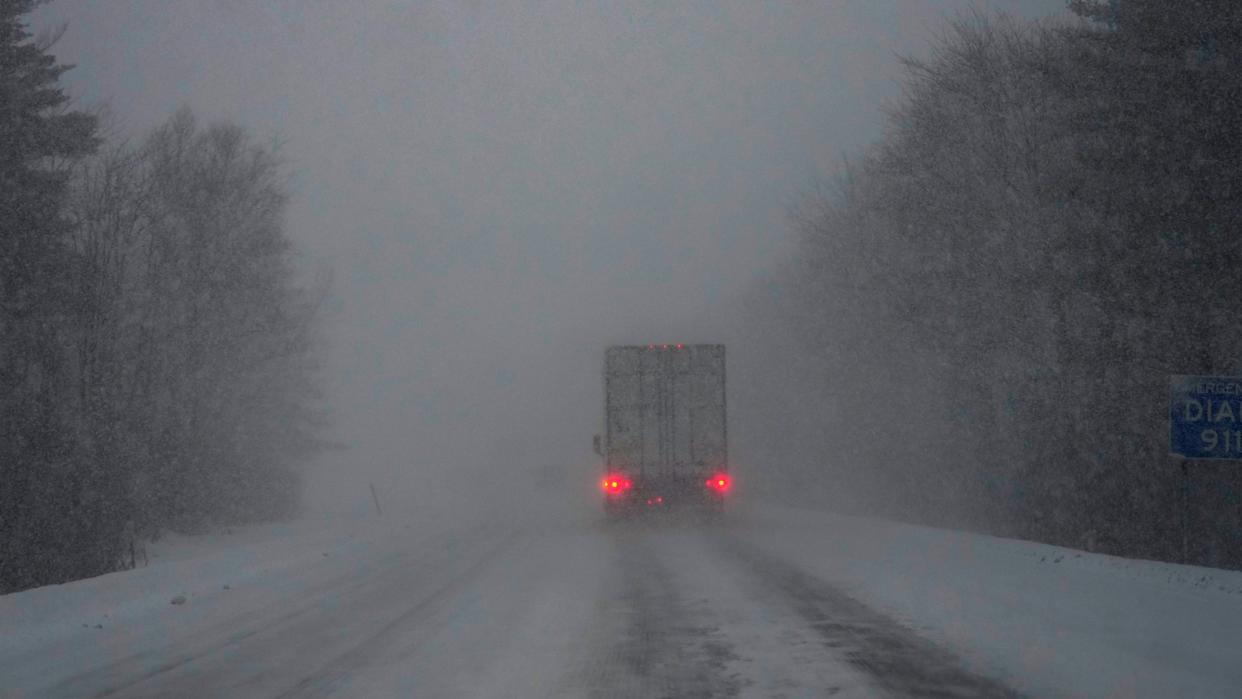
According to the National Weather Service (NWS), a snow squall is defined as a brief but intense period of snowfall, often accompanied by gusty winds that can significantly reduce visibility. Snow squalls can create whiteout conditions where visibility drops to less than a quarter of a mile. Typically, these events last for less than an hour but can lead to rapid accumulation of snow, often between one and two inches in a short period.
Characteristics and Formation
Snow squalls form when cold air moves over warmer ground, creating instability in the atmosphere and leading to the rapid development of clouds and snowfall. They can occur along cold fronts and are most common in the late fall through early spring. Meteorologists utilize radar technology to detect these squalls as they form, allowing for timely warnings to be issued to affected regions.
Recent Events
In the past winter season, several regions across the northeastern United States experienced snow squalls that caused substantial traffic disruptions and accidents. For example, a snow squall that swept through Pennsylvania in January resulted in multi-vehicle pileups along major highways due to the sudden drop in visibility and icy road conditions. These incidents prompted officials to remind the public about the importance of being aware of weather alerts.
Impact on Safety and Preparedness
Travelers and residents should take snow squalls seriously. It is advisable to stay informed about weather conditions, especially when winter storm warnings are issued. Having an emergency kit in vehicles, staying updated through weather apps, and avoiding unnecessary travel during predicted squall conditions can significantly enhance safety. Awareness and preparedness are key in mitigating the dangers posed by sudden winter weather events.
Conclusion
In conclusion, snow squalls are a significant winter weather phenomenon characterized by sudden and intense snowfall that can create dangerous conditions. As climate patterns continue to evolve, understanding snow squalls and their implications on safety remains imperative for the public. By staying informed and prepared, individuals can better navigate and respond to these unpredictable weather events.