Introduction
Blizzard conditions have made headlines this winter, impacting travel, infrastructure, and everyday life across various regions in the United States. With climate change influencing weather patterns, understanding blizzards—characterized by heavy snowfall and strong winds—is crucial for public safety and preparedness.
Recent Blizzard Events
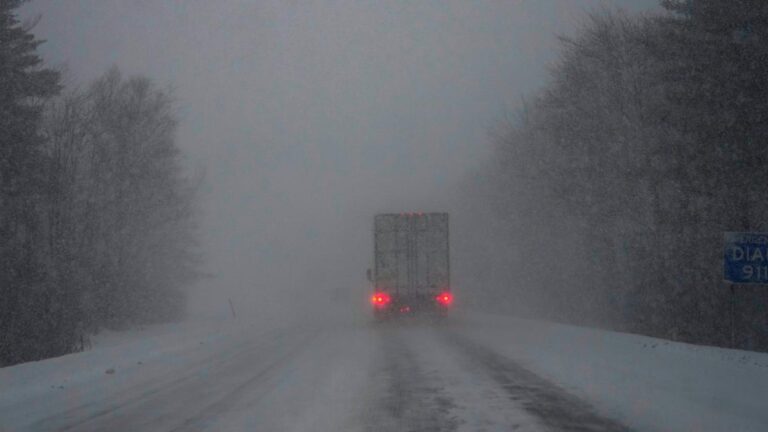
In December 2022 and early January 2023, multiple states experienced severe blizzard conditions that paralyzed transportation systems, prompted emergency declarations, and strained resources. The Northeast, particularly New York and Massachusetts, faced some of the harshest conditions, with snowfall totals exceeding 30 inches in some areas. In addition, winds gusting up to 60 mph led to white-out conditions, making travel perilous and often impossible.
Travel Disruptions
Air travel was severely impacted, with thousands of flights either delayed or canceled, stranding passengers and leading to significant financial losses for airlines. Many major highways were closed due to dangerously low visibility and snow accumulation, prompting state officials to advise residents to stay home. In some cases, stranded motorists were rescued by emergency services after being trapped for hours.
Infrastructure Challenges
The infrastructure of several states faced immense challenges as plow crews struggled to keep roads clear amidst continuous heavy snowfall. Power outages were reported as ice accumulation brought down power lines, leaving thousands without electricity. Local governments mobilized resources to respond to the immediate needs of affected residents, including food access and emergency shelter.
Public Preparedness and Safety
In light of these events, preparing for future blizzards is of paramount importance. Local authorities have initiated public awareness campaigns focused on winter safety practices, such as emergency kits for households and vehicles, staying informed via weather alerts, and understanding the dangers of cold temperatures and snow accumulation.
Conclusion
As blizzard events become more frequent and intense due to climate variability, communities must adapt their preparedness and response strategies accordingly. Balancing the inherent beauty of winter with the challenges posed by blizzards is vital for ensuring public safety and infrastructure resilience. With proactive measures and community cooperation, regions can better withstand future winter storms and reduce their impact on daily life.