Introduction to Severe Thunderstorm Warnings
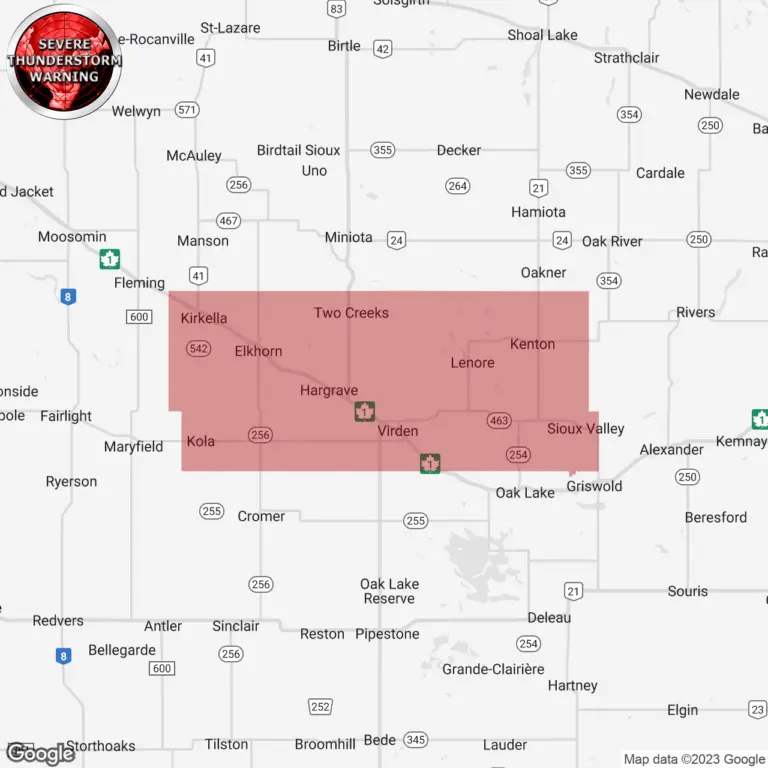
Severe thunderstorm warnings are critical alerts issued by meteorological services to inform the public about dangerous weather conditions. These warnings are essential for safeguarding lives and property, as they indicate the likelihood of severe storms that can produce damaging wind, large hail, and, in some cases, tornadoes. Understanding severe thunderstorm warnings can significantly enhance preparedness and response during inclement weather.
Recent Weather Events
In the past weeks, several states across the Midwest have experienced a series of severe thunderstorms resulting in widespread damage and disruptions. According to the National Weather Service (NWS), areas including Illinois, Missouri, and Kentucky reported multiple incidents of severe thunderstorms that led to flash flooding, downed power lines, and significant hail damage. The storms were characterized by intense lightning, wind gusts exceeding 60 mph, and hailstones varying from one inch to over three inches in diameter.
For instance, a severe thunderstorm warning was issued for the Chicago area as weather conditions rapidly deteriorated one Thursday afternoon. The alert prompted local authorities to advise residents to seek shelter and avoid unnecessary travel. This proactive measure undoubtedly helped prevent injuries and damages in high-risk areas.
Interpreting Severe Thunderstorm Warnings
Severe thunderstorm warnings are usually issued when a storm is observed to be producing severe weather or indicated by radar. The key criteria defining a severe thunderstorm include wind gusts of 58 mph or higher and hail measuring one inch in diameter or greater. It is important for individuals to recognize the difference between a watch and a warning; a watch means conditions are favorable for severe weather, while a warning means severe weather is imminent.
Safety Tips and Preparedness
To ensure safety during severe thunderstorm warnings, residents should take several precautionary measures. Staying indoors is paramount; people should avoid windows and seek shelter in a sturdy building or basement if possible. It is advisable to have an emergency kit ready, equipped with essentials such as water, non-perishable food, a flashlight, and a battery-powered weather radio to receive updates. Additionally, individuals should have a communication plan in case of power outages, ensuring they can reach family members and emergency services.
Conclusion
In conclusion, severe thunderstorm warnings serve as vital alerts that can prevent injuries and reduce damage during dangerous weather conditions. Staying informed and prepared are key elements in reacting effectively to such warnings. As climate change continues to influence weather patterns, these warnings will likely become an increasingly integral part of public safety strategies. It is imperative for individuals to heed warnings, stay alert, and prioritize safety to navigate severe weather situations effectively.