Introduction
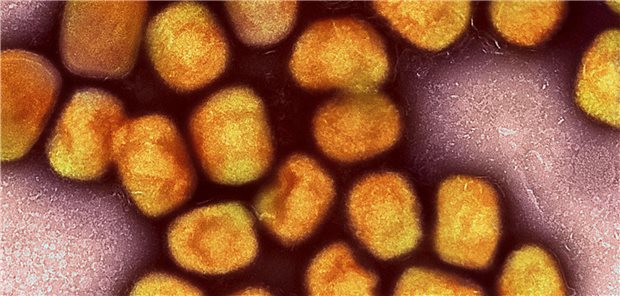
Mpox, formerly known as monkeypox, is a viral disease caused by the monkeypox virus, belonging to the Orthopoxvirus genus. The resurgence of mpox globally over the past year has made it a significant public health concern. As cases surged in multiple countries, understanding the nature of the virus, its transmission, and preventive measures has become increasingly important for public health authorities and communities alike.
Current Situation
According to recent reports from the Centers for Disease Control and Prevention (CDC), the United States has recorded thousands of cases since the outbreak began in 2022. The World Health Organization (WHO) classified the recent mpox outbreak as a public health emergency of international concern, prompting a multi-faceted response from health departments worldwide. As of September 2023, vaccination campaigns and aggressive contact tracing efforts are underway to contain the spread of the virus. Vaccines, particularly those used for smallpox, have been found to offer some effectiveness against mpox, leading to increased vaccination efforts among at-risk populations.
Transmission and Symptoms
Mpox is primarily transmitted through skin-to-skin contact with infectious rashes, scabs, or body fluids of an infected person. It can also spread through respiratory droplets during prolonged face-to-face contact. Symptoms typically appear 7 to 14 days after exposure and include fever, headache, muscle aches, and swollen lymph nodes, followed by a distinctive rash. Health officials emphasize the importance of awareness and early detection to curb the transmission rates effectively.
Public Health Response
The public health response to the mpox outbreak has included enhancing healthcare provider education on safe practices, improving testing facilities, and expanding access to therapeutics. Public awareness campaigns have been developed to inform individuals about the symptoms of mpox and the steps to take if they suspect they have been infected. Furthermore, public health officials are emphasizing the need for equitable vaccine distribution to ensure all communities, particularly those most affected, have access to necessary resources.
Conclusion
The situation surrounding mpox remains dynamic, with health authorities continuously monitoring and adapting their response strategies as new data emerges. Health experts predict that if vaccination and awareness campaigns are effectively implemented, the spread of mpox can be mitigated. However, they urge ongoing vigilance and cooperation from communities to overcome the challenges posed by this viral threat. Staying informed, seeking vaccines, and adhering to safety protocols are crucial for everyone in combating the mpox outbreak.