Introduction to Measles
Measles, a highly contagious viral disease, has made headlines in recent months due to sporadic outbreaks across the United States. The resurgence of measles, once deemed eliminated in the country, raises public health concerns and highlights the critical importance of vaccination. Understanding measles, its symptoms, and prevention strategies is essential for safeguarding community health.
Recent Outbreaks and Statistics
In 2023, the Centers for Disease Control and Prevention (CDC) reported an uptick in measles cases, with notable outbreaks in several states including New York, California, and Texas. Data indicates that in just the first half of the year, there were 150 confirmed cases, a significant increase from previous years. Health experts have attributed these outbreaks to a decrease in vaccination rates, as misinformation about vaccine safety has led some parents to opt out of immunizations for their children.
Symptoms and Complications of Measles
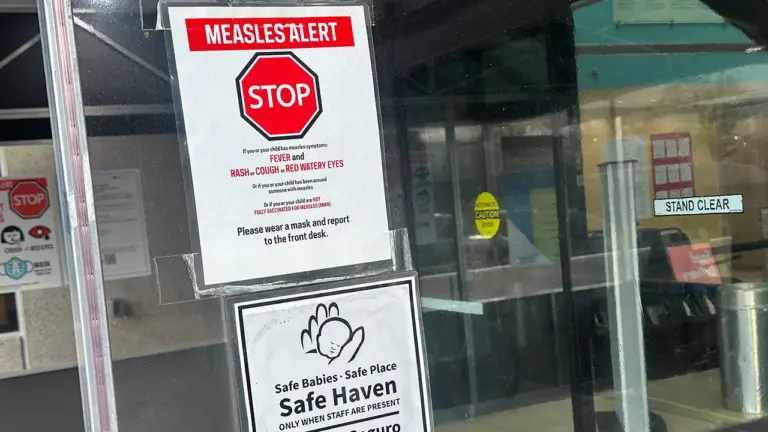
Measles typically begins with mild symptoms that can progress rapidly. Initial symptoms include fever, cough, runny nose, and red eyes, followed by a characteristic rash that often starts on the face and spreads to the rest of the body. Complications may arise, such as pneumonia, encephalitis, and even death in severe cases. Infants and those with weakened immune systems are particularly vulnerable.
Vaccination as a Preventive Measure
The MMR (measles, mumps, rubella) vaccine is the most effective method of prevention, providing long-lasting immunity. The CDC recommends that children receive their first dose of the MMR vaccine at 12-15 months of age, with a second dose given at 4-6 years. Vaccination not only protects the individual but also creates herd immunity, reducing the risk of outbreaks within communities.
Public Health Initiatives
In response to the recent outbreaks, public health officials have ramped up education campaigns to inform parents about the importance of vaccinations. Schools are also being monitored closely to ensure that vaccination requirements are met, further mitigating the risk of outbreaks. Hospitals are prepared to manage cases, and health care providers are urged to report suspected cases promptly to control the spread.
Conclusion: The Path Forward
The resurgence of measles serves as a reminder of the importance of vaccination and the need for continued public health education. As communities grapple with misinformation about vaccines, it is crucial for both health professionals and the general public to advocate for immunization as a fundamental public health measure. With consistent efforts toward increasing vaccination rates, it is possible to prevent future outbreaks and protect vulnerable populations from this preventable disease.