Introduction
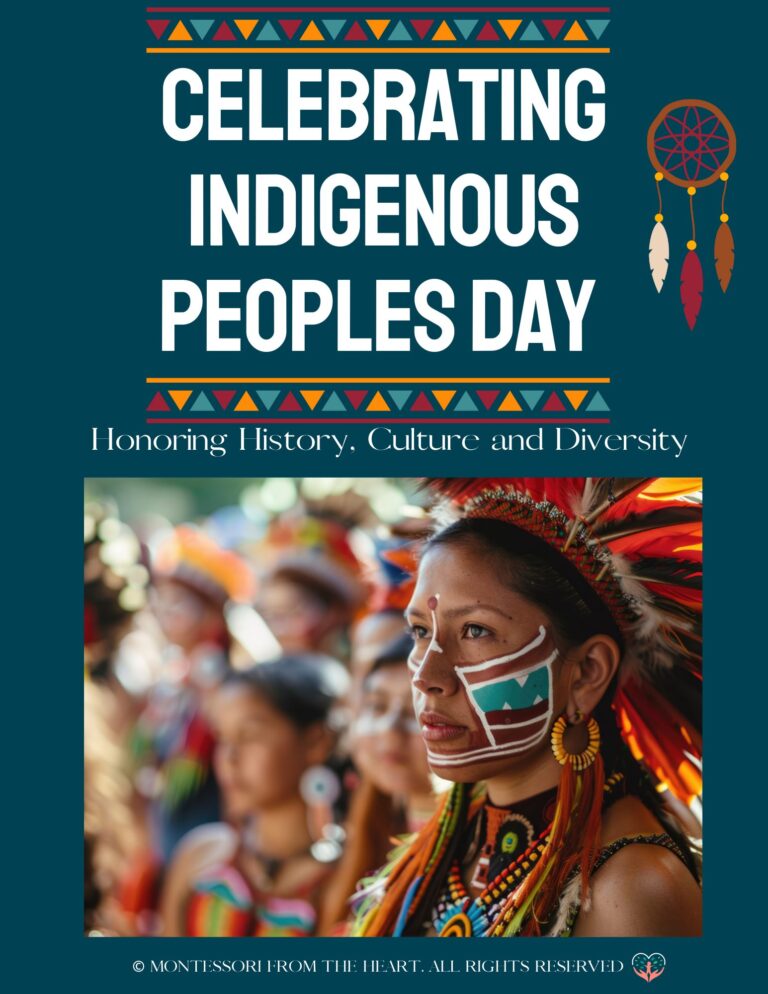
Indigenous Peoples Day, celebrated on the second Monday of October, serves as an essential reminder of the rich cultures, histories, and contributions of Indigenous peoples in the United States. As an alternative to Columbus Day, this observance has gained significant traction in recent years, highlighting the importance of acknowledging the past injustices faced by Indigenous communities and promoting their sovereignty and rights.
The Significance of Indigenous Peoples Day
The movement to recognize Indigenous Peoples Day began in the 1970s as a response to the negative historical legacy associated with Christopher Columbus and European colonization. Numerous states and cities have adopted this day to honor Indigenous cultures and histories, seeking to replace or coexist alongside Columbus Day. As of 2023, Indigenous Peoples Day is recognized in 14 states and more than 130 cities across the U.S., with growing support from various organizations advocating for Indigenous rights.
This day is not just about changing names; it represents a broader acknowledgment of the historical and contemporary issues facing Indigenous communities, such as land rights, cultural preservation, and social justice. Celebrations often involve educational events, cultural performances, art exhibitions, and community discussions that help foster a deeper understanding of Indigenous peoples’ experiences and resilience.
Recent Developments
In recent years, Indigenous Peoples Day has seen increased visibility and support due to the heightened awareness surrounding social justice movements. Events commemorating the day often include messages of solidarity with Indigenous peoples and discussions on topics such as treaty rights and environment protection, reflecting the interconnected nature of these issues. For instance, in 2021, several states proclaimed their commitment to respect and uplift Indigenous voices, encouraging institutions and communities to incorporate Indigenous perspectives into their curricula and policies.
Conclusion
The observance of Indigenous Peoples Day holds profound significance as it challenges historical narratives and champions Indigenous voices. As communities across the nation increasingly recognize and celebrate this day, it promotes a greater understanding and respect for Indigenous rights, making way for reformed relationships between Indigenous and non-Indigenous populations. Moving forward, it is vital for individuals and organizations to continue their efforts in raising awareness and advocating for Indigenous causes, reinforcing the importance of representation and justice for Indigenous communities.