The Significance of Indigenous Peoples Day
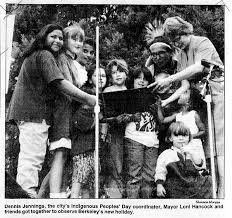
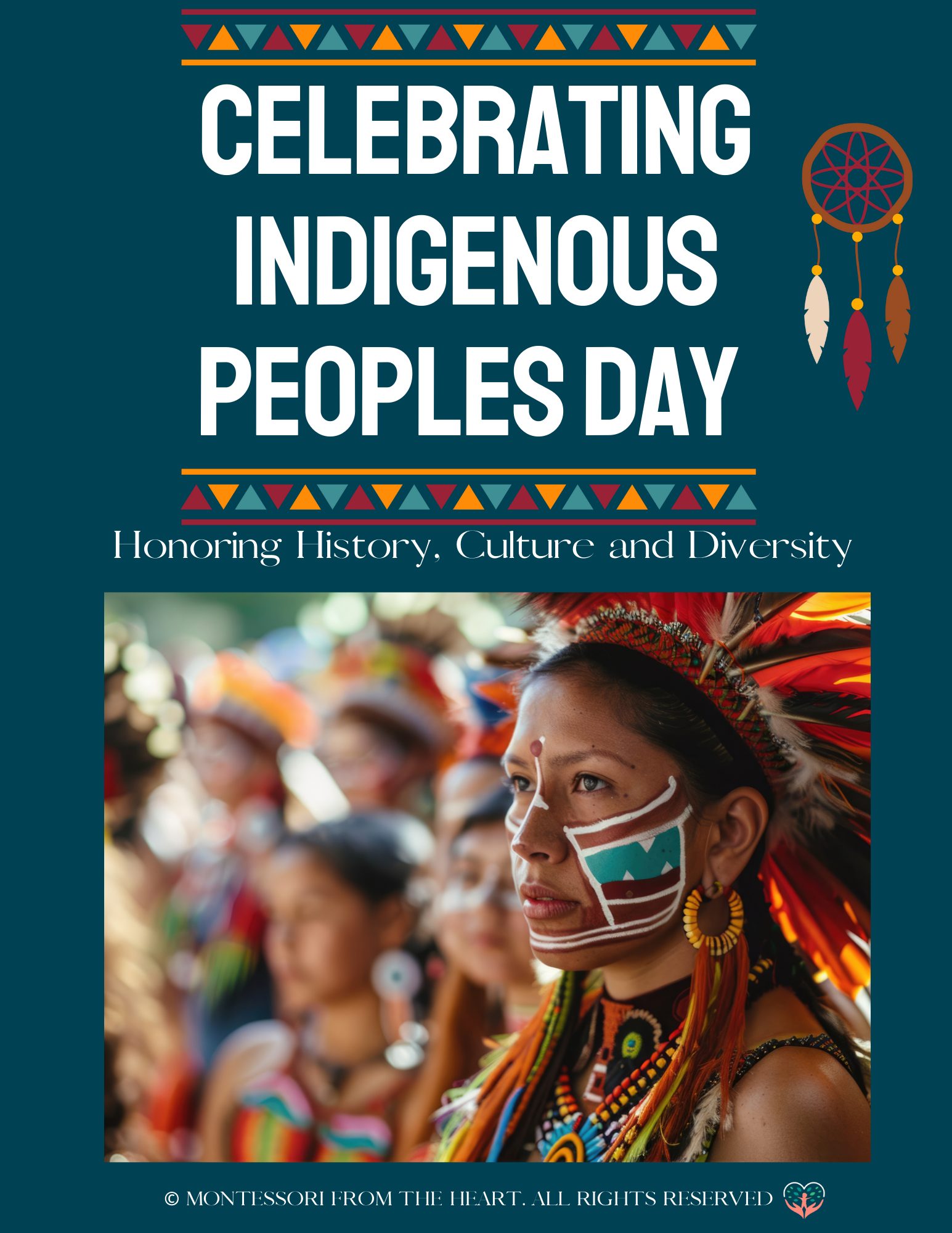
Indigenous Peoples Day, celebrated on the second Monday of October, serves as a powerful reminder of the historical and ongoing struggles faced by Indigenous communities across the United States. It was first proposed as a counter-celebration to Columbus Day, which many see as a celebration of colonialism and its devastating impact on Indigenous populations. This day promotes the recognition of Indigenous peoples’ contributions, culture, and history, highlighting the need for social justice and reparative measures.
Historical Context
The origins of Indigenous Peoples Day can be traced back to 1977, when a group of Native American activists proposed the idea at a conference in New Mexico. Over the years, various states and cities have adopted this day to honor Indigenous peoples and their cultures. As of 2023, over 130 U.S. cities and 12 states, including California, Vermont, and Minnesota, officially recognize Indigenous Peoples Day, reflecting a growing acknowledgment of the effects of colonization.
Current Celebrations and Events
This year, events across the country will celebrate Indigenous Peoples Day with various activities that include educational workshops, art exhibitions, cultural ceremonies, and community gatherings. Many organizations, such as the National Museum of the American Indian and local Indigenous groups, will host events aimed at informing the public about Indigenous histories and contemporary issues. These celebrations not only serve as an avenue to share stories and traditions but also act as platforms for advocacy, pushing for policy changes that support Indigenous rights and protections.
The Importance of Advocacy
As we commemorate Indigenous Peoples Day, it is crucial to recognize the importance of addressing the issues still faced by Indigenous communities, such as land rights, healthcare disparities, and the preservation of cultural heritage. Activists emphasize that this day is not just about celebration but also about advocacy and the fight for justice. In recent years, movements like #LandBack have gained momentum, calling for the return of land to Indigenous peoples and proper recognition of their rights.
Conclusion
Indigenous Peoples Day represents a vital opportunity for education and reflection on the histories of Indigenous peoples in the United States. As more individuals and institutions embrace this day, it becomes a platform to promote awareness of social justice issues, the importance of cultural preservation, and the ongoing quest for equality. Recognizing Indigenous Peoples Day allows society to acknowledge past injustices and work towards a more equitable future for all Indigenous communities.