Introduction
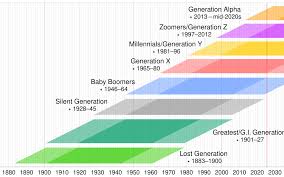
Generation Z, often referred to as Gen Z, is the cohort of individuals born approximately between 1997 and 2012. As the latest generation to come of age, Gen Z is increasingly becoming a significant demographic due to their distinctive traits, values, and ways of communication. Understanding Gen Z is crucial as they represent the future workforce and consumers, bringing forth unique challenges and opportunities for society, businesses, and policymakers alike.
Who Makes Up Gen Z?
Gen Z consists of over 2 billion people globally, making up nearly 32% of the global population. This generation has been raised in an era defined by rapid technological advancements, including the rise of social media, smartphones, and the internet. As a result, they are the first true digital natives, comfortable with technology from a young age and adept at using social platforms for self-expression and connection.
Key Characteristics of Gen Z
There are several defining characteristics of Gen Z that set them apart from previous generations. One notable trait is their strong sense of social justice and activism. Influenced by global movements such as climate change, racial equality, and gender rights, Gen Z is vocal about their beliefs and demands action from organizations and governments.
Additionally, mental health awareness is a significant priority for this generation. Studies indicate that Gen Z members experience higher levels of anxiety and depression compared to earlier cohorts. Consequently, they prioritize mental wellbeing and advocate for open conversations about mental health challenges.
Impact on Society and Culture
As Gen Z continues to grow in numbers, their influence on culture and consumer behavior is becoming more pronounced. They have different spending habits compared to Millennia’s, often favoring experiences over possessions and prioritizing sustainability and ethical practices in their purchases. Brands are recognizing this shift and adapting their marketing strategies to resonate with Gen Z’s values, often emphasizing authenticity and transparency.
Conclusion
Understanding Gen Z is essential for navigating the shifting social and economic landscapes of the future. As this generation becomes more influential, their commitment to social change, mental health, and ethical consumption will likely drive trends and policies. Recognizing these attributes can help businesses, educational institutions, and governments better serve this vital demographic, ultimately contributing to a more equitable and sustainable future.