Introduction
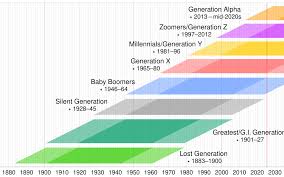
Generation Z, defined as individuals born between 1997 and 2012, is now the largest generation in the world. As they come of age, this cohort is not only becoming a significant part of the workforce and consumer market but also reshaping cultural norms and societal values. Understanding this generation is crucial for businesses, educators, and policymakers alike, as they navigate a world that is increasingly complex and interconnected.
Characteristics of Gen Z
Gen Z is often characterized by their digital fluency, having grown up with smartphones and social media. This generation values authenticity, inclusivity, and mental health awareness. A recent study by McKinsey & Company shows that over 55% of Gen Z respondents prioritize personal and professional well-being, reflecting their desire for workplaces that support mental health initiatives and work-life balance.
Cultural Influence
Social media plays a pivotal role in shaping the values and behaviors of Gen Z. Platforms like TikTok, Instagram, and Snapchat have enabled this generation to express themselves creatively and socially. They are known for advocating social justice and sustainability, often leveraging their online presence to advocate for change. Events like global climate strikes and movements for racial equality have seen active participation from Gen Z, signifying their commitment to critical issues. According to a Pew Research Center survey, over 70% of Gen Z individuals believe that social media is an effective tool for enacting social change.
Workplace Expectations
As Gen Z enters the workforce, their expectations for employers are crucial for shaping future workplace practices. Flexibility, inclusivity, and opportunities for growth are among their top priorities. A survey by LinkedIn found that nearly 65% of Gen Z candidates prefer hybrid work environments that allow them to balance personal life with professional responsibilities. Moreover, they seek employers who contribute positively to societal challenges and demonstrate corporate social responsibility.
Conclusion
The rise of Generation Z is ushering in a wave of change across various sectors of society, from workplaces to cultural discourse. Their values of authenticity, inclusivity, and social awareness are reshaping expectations, and entities that adapt to these trends will likely find success in the future. Understanding Gen Z is not just about recognizing a demographic; it’s about appreciating the intricate ways they engage with the world and the potential they have to drive significant change. For leaders, educators, and businesses, engaging effectively with this generation will be crucial as they prepare for an evolving landscape.