Introduction
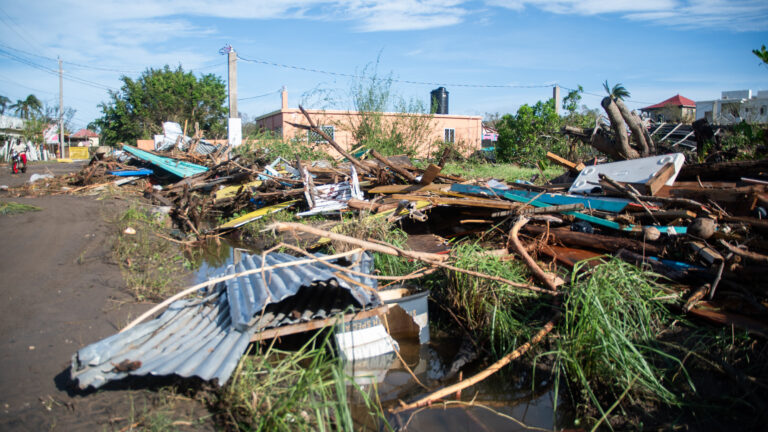
Flood restoration is a critical process that helps homes and businesses recover from the devastating effects of water damage. With climate change leading to increasingly frequent and severe weather events, understanding flood restoration has grown in importance. Quick and effective restoration can not only salvage property but also prevent long-term damage and health risks associated with mold and structural instability. As communities face the reality of flooding more often, the ability to effectively restore impacted areas is vital for recovery.
Key Aspects of Flood Restoration
The flood restoration process involves several essential steps to minimize damage and restore affected properties:
- Assessment: Immediately after a flood event, professionals assess the extent of the damage. This thorough evaluation helps in creating a tailored restoration plan.
- Water Removal: The first step in actual restoration is the removal of standing water. This can be done using pumps and industrial wet vacuums that ensure complete extraction.
- Drying: Once the water is removed, drying the affected areas becomes crucial. Industrial fans and dehumidifiers are often employed to expedite the drying process and minimize mold risk.
- Cleaning and Sanitizing: Flood waters can introduce harmful bacteria and pathogens. Thus, cleaning and sanitizing all affected surfaces and belongings is essential to prevent health hazards.
- Restoration: The final phase involves restoring the property to its original condition. This might include repairing drywall, flooring, and other structural components.
Recent Developments in Flood Restoration
Recent years have seen significant advancements in flood restoration technology and processes. New techniques and equipment are now available to improve efficiency and effectiveness. Moreover, legislative measures in various states are increasingly requiring stricter building codes that incorporate flood-resistant construction practices. After notable floods in states like Florida and Texas, disaster relief funds have been allocated to enhance restoration efforts and bolster community resilience.
Conclusion
Understanding flood restoration is essential for homeowners, business owners, and community planners as flooding becomes a more prevalent issue. Investing in proper flood restoration services after an event can significantly mitigate damage and contribute to a safer environment. Continued education on best practices and leveraging advancements in technology will help communities not only recover but also better prepare for future flooding events.