Introduction
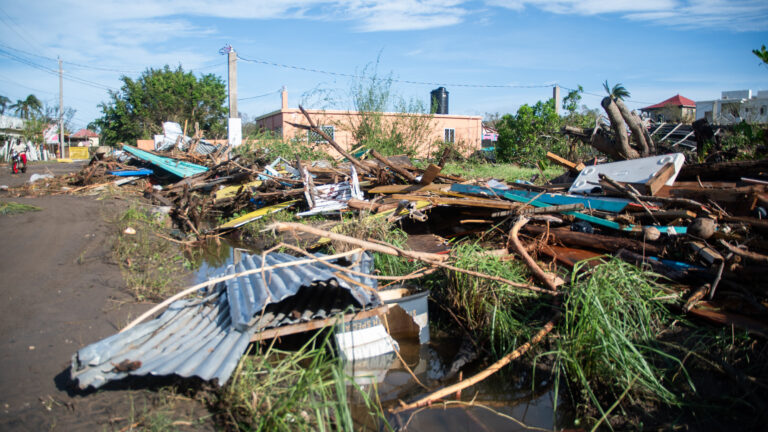
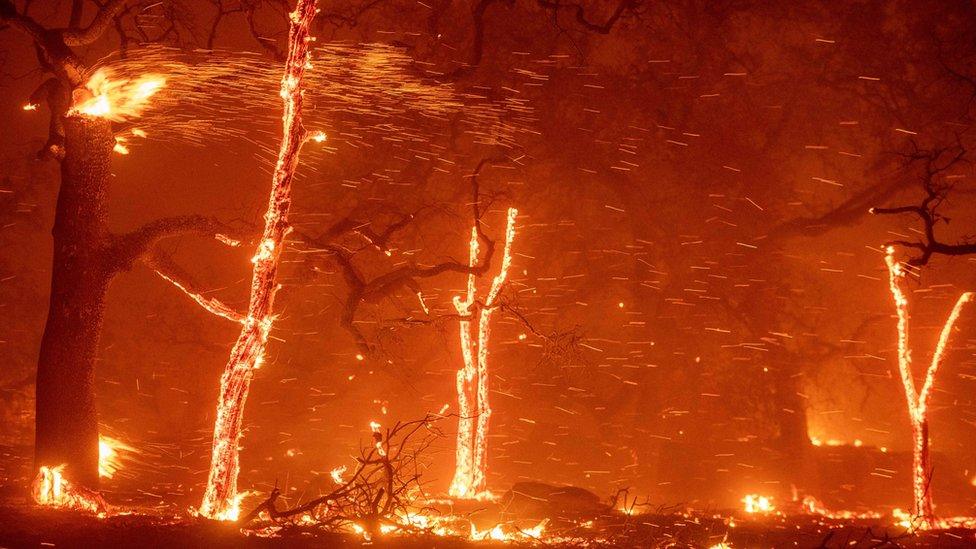
The devastating Paradise California fire, which occurred in November 2018, resulted in one of the deadliest wildfires in U.S. history. With over 18,000 structures destroyed and 85 lives lost, the fire has become a pivotal moment in discussions surrounding wildfire preparedness, community resilience, and land management practices. As California continues to face increased fire risks due to climate change, the lessons learned from the Paradise fire remain critically relevant for residents and policymakers alike.
The Events of the Paradise Fire
The Camp Fire, as it was officially named, ignited on November 8, 2018, and rapidly spread through the town of Paradise and surrounding areas in Butte County. Fueled by dry conditions and high winds, the fire reached catastrophic levels, overwhelming emergency response efforts. While residents grappled with the immediate loss of homes, the post-fire recovery process has been equally challenging and continues to evolve years later.
In the aftermath, significant efforts were made to provide support to those affected. Local and state agencies mobilized to assist in rebuilding, while financial contributions poured in from across the nation. The Paradise Strong Recovery Effort helped facilitate recovery programs, reconstruction assistance, and mental health resources, emphasizing the importance of community collaboration in rebuilding.
Current Developments and Future Outlook
As of 2023, the town of Paradise and its residents are making strides in recovery, with rebuilding efforts well underway. The rebuilding process has highlighted the importance of implementing Firewise practices in new construction, promoting structures designed to withstand future wildfires. Town officials have also worked to create defensible spaces around homes and address vegetation management in order to mitigate future risks.
However, the stark realities of climate change continue to pose significant challenges. Temperatures and drought conditions have intensified, indicating that wildfires will remain a substantial threat in California. As a result, communities like Paradise must continue to advocate for sustainable land management and invest in advanced fire prevention technologies.
Conclusion
The Paradise California fire serves as a critical case study in resilience, community rebuilding, and proactive fire management. While significant progress has been made since that tragic day, the ongoing threat of wildfires requires persistent effort and innovation in fire prevention strategy. As residents look towards a more sustainable future, the lessons learned from the Camp Fire will undoubtedly shape the approach to wildfire safety, ensuring that communities are better equipped for any challenges that lie ahead.