Introduction
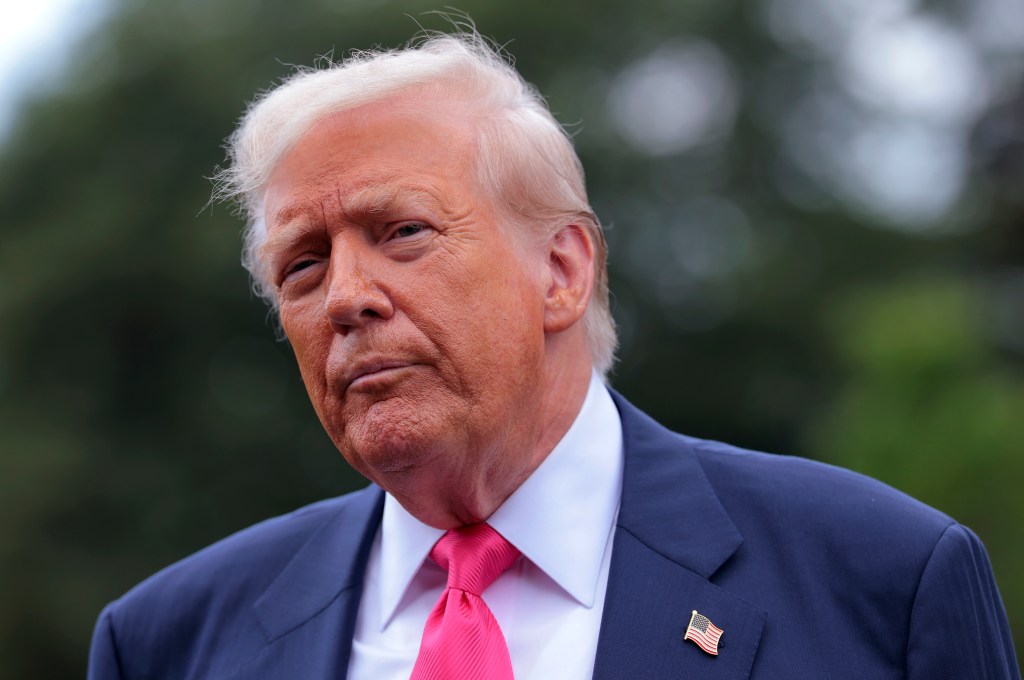
In a bold legal move, former President Donald Trump has filed a lawsuit against The New York Times, alleging defamation resulting from articles published by the newspaper. This lawsuit underscores the ongoing tension between Trump and mainstream media, particularly regarding the portrayal of his actions during his presidency and afterward. The implications of this case are significant, not only for Trump but also for press freedom and the future of political discourse in the United States.
Details of the Lawsuit
The lawsuit, filed in the New York State Supreme Court, accuses The New York Times of publishing false and misleading information that harmed Trump’s reputation. The suit focuses on several opinion pieces and news articles that allegedly misrepresented Trump’s actions and intentions, particularly in relation to the 2020 presidential election and the events surrounding the January 6 Capitol riot.
Trump’s legal team claims that the newspaper’s reporting was not only erroneous but also malicious, asserting that it sought to damage his standing in the public eye. The suit demands retraction of the articles, monetary damages, and legal fees. This action follows a series of critiques from Trump, who has publicly condemned The New York Times as part of what he describes as a broader agenda of media bias against him.
Reactions from Legal Experts and Media
The legal community has been closely watching the developments of this case. Many legal experts have noted that while public figures like Trump have a higher burden of proof in defamation cases, the lawsuit could also serve as a critical test of the boundaries of opinion journalism. Some argue that Trump’s lawsuit might deter journalists from providing aggressive coverage of political figures out of fear of litigation.
Meanwhile, representatives from The New York Times have stated that they stand by their reporting and believe it to be accurate and fair. The newspaper’s legal team is prepared to defend against Trump’s claims, emphasizing the importance of journalistic integrity and the need to hold public officials accountable.
Conclusion
This legal battle between Trump and The New York Times could have lasting implications for media practices and the relationship between politicians and the press. As the lawsuit proceeds, experts anticipate that it may reignite debates around the role of the media in democratic societies, particularly concerning freedom of the press versus the rights of individuals to protect their reputation. Observers suggest that the outcomes could influence future cases involving public figures and media organizations, highlighting the delicate balance between reporting and liability.