Introduction
In the realm of severe weather, understanding the terminology can be crucial for safety and preparedness. Tornado watches and warnings are two terms often used during storm alerts, each carrying different implications for risk and action. As tornado season approaches, familiarizing oneself with these distinctions can mean the difference between remaining safe and encountering danger.
Tornado Watch Explained
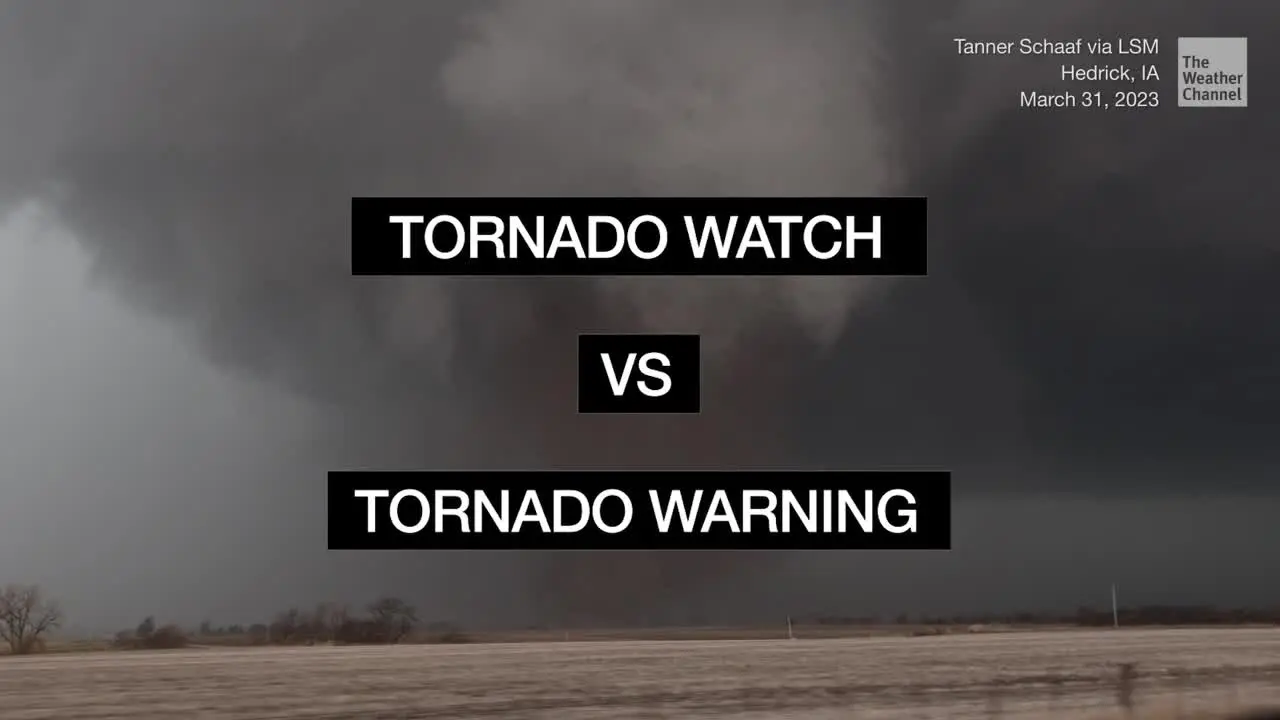
A tornado watch is issued when weather conditions are favorable for the development of tornadoes. This means that atmospheric conditions, such as instability and wind shear, are present and could lead to tornado formation. Typically, a watch covers a wide area and can last for several hours. It’s a signal for individuals to stay alert, monitor local weather reports, and be prepared to take action if a warning is issued. The National Weather Service (NWS) often issues watches in advance, giving residents ample time to prepare.
Tornado Warning Defined
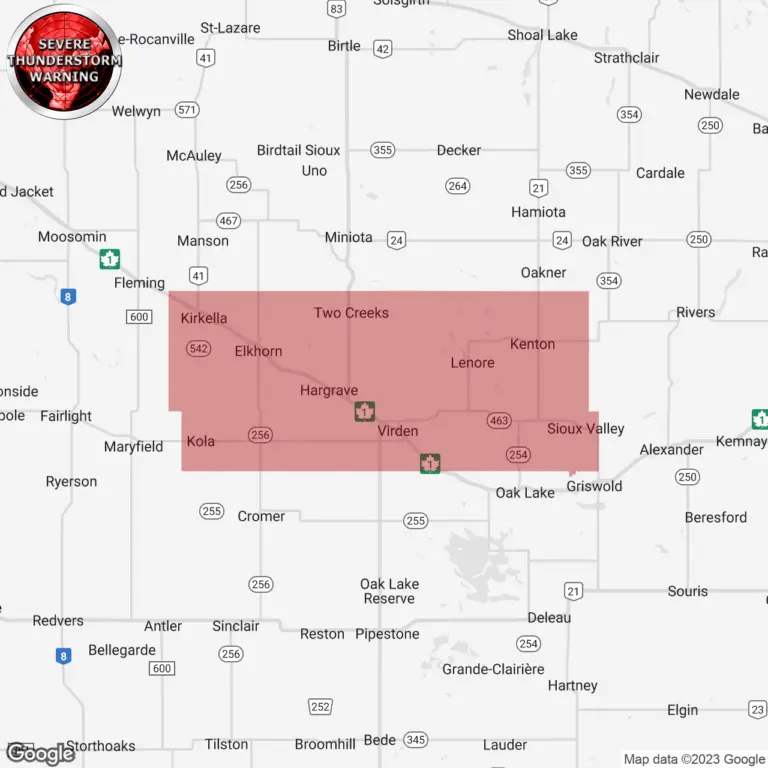
In contrast, a tornado warning is much more serious and indicates that a tornado has been sighted or indicated by radar. This warning calls for immediate action, as a tornado is either occurring or is imminent in the specified area. Warnings usually cover a smaller geographic area and are time-sensitive, typically lasting around 30 minutes to an hour. When a warning is issued, individuals are advised to take shelter in a safe location, such as a basement or an interior room away from windows.
Recent Trends and Statistics
According to the NWS, the United States experiences more tornadoes than any other country, averaging over 1,000 tornadoes annually. In recent years, advancements in meteorological technology and radar systems have improved the accuracy of tornado watches and warnings, reducing false alarms and enhancing public safety. However, despite these advancements, it’s essential for individuals to understand the difference between a watch and a warning and to respond accordingly.
Conclusion
In conclusion, knowing the difference between a tornado watch and a tornado warning is vital for ensuring personal safety during severe weather outbreaks. When a watch is issued, individuals should remain vigilant, while a warning demands immediate action. Staying informed through reliable weather sources can empower individuals and communities to better respond to the challenges posed by tornadoes. By understanding these alerts, citizens can take proactive measures to protect themselves and their loved ones during severe weather events.