Introduction
Ramadan, the ninth month of the Islamic lunar calendar, is a sacred period for Muslims around the world, embodying a time of spiritual reflection, devotion, and community. This month is observed by over 1.8 billion Muslims who fast from dawn until sunset, a practice that fosters self-discipline, gratitude, and empathy for the less fortunate. As we move into Ramadan 2023, understanding its significance and practices is crucial, especially in a diverse society that benefits from mutual respect and knowledge of different cultural traditions.
Key Aspects of Ramadan
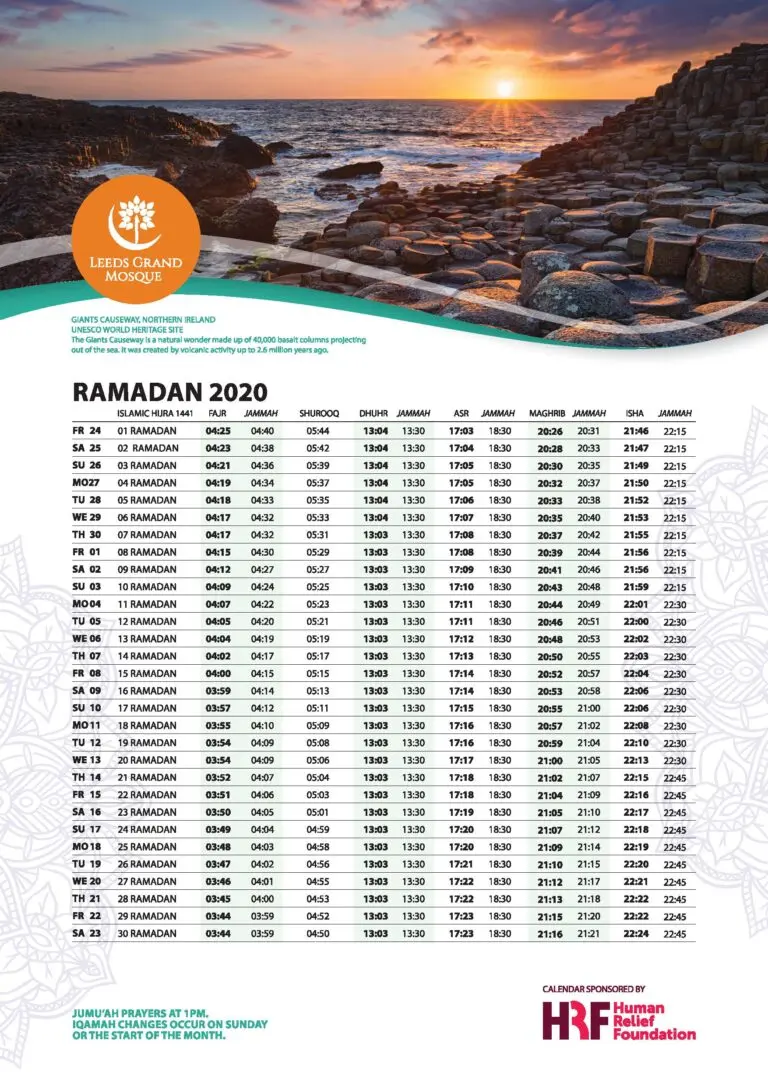
The month of Ramadan is marked by fasting (Sawm), prayer (Salah), and community. The fast is broken daily at sunset with a meal called Iftar, often shared with family and friends. The pre-dawn meal, known as Suhoor, is also an important aspect of daily observances. Alongside fasting, Muslims engage in increased prayer, especially the Taraweeh prayers held at night, and recite the Quran more frequently.
Importantly, Ramadan is also a time for charitable acts (Zakat), reinforcing the value of helping those in need. It is common for Muslims to donate to charitable organizations and assist the less fortunate during this month, promoting a sense of solidarity and community.
Global Observance
This year, Ramadan began on the evening of March 22 and will conclude on April 21, culminating in the celebration of Eid al-Fitr, a festival marking the end of fasting. Ramadan’s observance can vary slightly by country due to the lunar calendar’s reliance on local moon sightings, which emphasizes the diverse cultural practices within the global Muslim community.
Impact in Modern Society
The observance of Ramadan has significant implications in modern society, influencing various sectors including retail, food, and community services. Businesses adjust their hours to accommodate fasting individuals, and many restaurants offer special Iftar meals. Additionally, the month brings awareness to important social issues, reminding people of the value of compassion and generosity.
Conclusion
As Ramadan continues to play a vital role in the lives of millions, it serves as a reminder of the importance of faith, community, and generosity. For non-Muslims, learning about Ramadan fosters a better understanding of Islamic culture and emphasizes the universal values of empathy and kindness. As we observe this holy month, it is an opportune moment for everyone to reflect on spiritual beliefs, cultural diversity, and the significance of charitable deeds in our society.